
Top 9 Must-Have Food Packaging Supplies for Your Business

Top 9 Must-Have Food Packaging Supplies for Your Business
Introduction to Food Packaging Supplies

Food packaging does more than protect your products. It ensures freshness. It improves the customer experience. It also acts as a silent marketing tool. Your business may be a restaurant, a catering service, or a retail food brand. Selecting suitable packaging is essential. Good packaging supports operational efficiency. It also increases customer satisfaction.
Essential Food Storage Containers
1.Types of Food Storage Containers
Rigid containers (plastic, glass, or metal) – best for long-term storage and transportation.
Flexible packaging (bags, pouches, wraps) – lightweight and cost-effective.
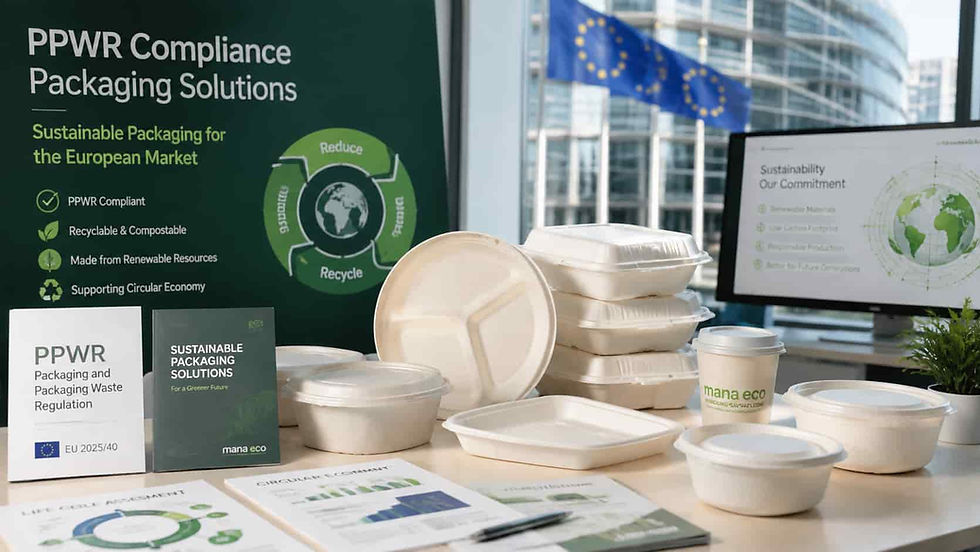
Compostable containers (bagasse, PLA, paperboard) – designed for businesses committed to sustainability.
2.Benefits of Using Proper Containers
Extends shelf life by protecting food from air, moisture, and contamination.
Enhances presentation and customer trust.
Reduces waste and spillage during delivery.
3. The Rise of Sustainable Packaging Solutions

Eco-Friendly Materials
Today’s businesses are adopting biodegradable options like sugarcane bagasse, cornstarch bioplastics, and FSC-certified paper. These alternatives balance functionality with reduced environmental impact.
Importance for Modern Businesses
Eco-packaging has become a necessity, not just a trend. Modern customers prefer brands that share their sustainability values. Additionally, new government laws often restrict plastic use. For businesses, investing in eco-packaging achieves two goals. It ensures compliance with regulations. It also improves brand reputation.
4. : Why It Matters

Branding Through Customization
Customized packaging with logos, colors, and storytelling elevates your brand beyond the product itself. It creates a memorable unboxing experience that customers are likely to share on social media.
Case Studies of Successful Brands
A small café boosted customer loyalty by switching to eco-friendly coffee cups with personalized prints.
A meal delivery service reduced costs by using branded recyclable containers, which improved customer retention rates.
5. Innovative Food Packaging Design Trends
Importance of Aesthetic Appeal
Consumers often judge with their eyes before tasting. Minimalist, clear labeling and Instagram-friendly designs attract modern buyers, especially Gen Z and Millennials.
Functionality Meets Design
Smart packaging—such as QR codes for ingredient transparency, tamper-evident seals, and resealable bags—enhances convenience while maintaining product safety.
6. Where to Source Quality Supplies
Direct manufacturers(MANA-ECO Factory): Ensure cost savings and customization options.
Local suppliers: Shorter lead times and flexibility for small businesses.
Global distributors: Better variety and bulk pricing.
Pro tip: Always request samples and certification documents before placing large orders.
7. Cost Considerations for Food Packaging Supplies
Packaging is often 10–15% of a business’s operational cost. Factors influencing pricing include:
Material type (plastic vs. bagasse).
Printing and branding complexity.
Order volumes and shipping costs.
Balancing cost with quality ensures long-term savings and customer satisfaction.
8. Regulatory Compliance in Food Packaging
Food packaging must pass safety standards. These include FDA in the USA, EFSA in the EU, or similar ones in other places. Following these rules means the packaging is food-grade. It has no harmful chemicals. It is safe for contact. If a business ignores the rules, it might get fines. It could also lose its business license.
9. Conclusion: Elevate Your Business with Quality Packaging
Food packaging now serves a strategic role beyond basic protection. Modern solutions range from eco-friendly materials to smart customization. The right packaging offers significant advantages. It increases operational efficiency. It helps reduce costs. It also strengthens your brand's identity. Therefore, an investment in sustainable, functional, and compliant packaging prepares your business for lasting success.
Frequently Asked Questions (FAQ)
Q1: What is the best type of food packaging for small businesses?
A: Compostable paper containers or bagasse bowls are cost-effective and enhance consumers' awareness of environmental protection and health.
Q2: How can I reduce packaging costs without compromising quality?
A: Buy in bulk, work directly with us, We suggest you order a quantity that covers your needs for six months or a year.and choose standardized container sizes.
Q3: Are eco-friendly packaging options durable enough for food delivery?
A: Yes, modern compostable containers are leak-proof, grease-resistant, and perform as well as traditional plastic.
Q4: Do I need certifications for food packaging supplies?
A: Yes, certifications like FDA(U.S. FDA Registration No. : 16382247652), LFGB, or EN13432 ensure your packaging is safe and legally compliant.
Q5: What packaging trend will dominate in the next 5 years?
A: Smart packaging with QR codes and reusable systems are expected to grow significantly as consumers demand transparency and sustainability.


Comments