
How Oil Prices Are Affecting Plastic Food Packaging Costs

The cost of plastic food packaging has always been closely linked to the global energy market.
Because most plastic materials are derived from petroleum, fluctuations in oil prices can directly influence the cost structure of packaging products such as disposable containers, cups, and trays.
Recent geopolitical tensions and supply disruptions have once again pushed energy prices into the spotlight. For businesses that rely on plastic packaging materials like PP and PET, these changes are creating new uncertainty in production costs and supply chains.

Why Oil Prices Influence Plastic Packaging
Plastic polymers used in food packaging are typically produced from petrochemical feedstocks.
When crude oil prices rise, the cost of producing plastic resin also increases. This effect eventually moves through the entire supply chain—from raw material suppliers to packaging manufacturers and finally to foodservice businesses.
For disposable food containers, this means that price volatility can become a significant operational challenge.
PP and PET Price Volatility
Two of the most widely used plastics in food packaging are:
Polypropylene (PP)
Polyethylene terephthalate (PET)
Both materials are produced using petrochemical processes. As a result, their prices are closely tied to global oil and gas markets.
During periods of geopolitical tension or supply disruptions, fluctuations in oil prices can quickly translate into higher production costs for plastic packaging manufacturers.

Supply Chain Pressure on Foodservice Packaging
Foodservice distributors and restaurants often operate with tight cost margins.
When plastic container prices rise, businesses must either absorb the additional cost or pass it on to customers.
This challenge has led many companies to explore alternative packaging materials that are less dependent on fossil fuel markets.
Why Agricultural Fiber Packaging Is Less Sensitive to Oil Prices
Unlike petroleum-based plastics, molded fiber packaging is made from plant materials.
Sugarcane bagasse, for example, is an agricultural byproduct generated during sugar production.
Because the raw material originates from agricultural waste rather than fossil fuels, its price is generally less influenced by fluctuations in global oil markets.
This difference can provide a more stable cost structure for certain types of food packaging.
Long-Term Implications for the Packaging Industry
As businesses seek greater supply stability and sustainability, interest in plant-fiber packaging continues to grow, this is the future of disposable tableware materials.
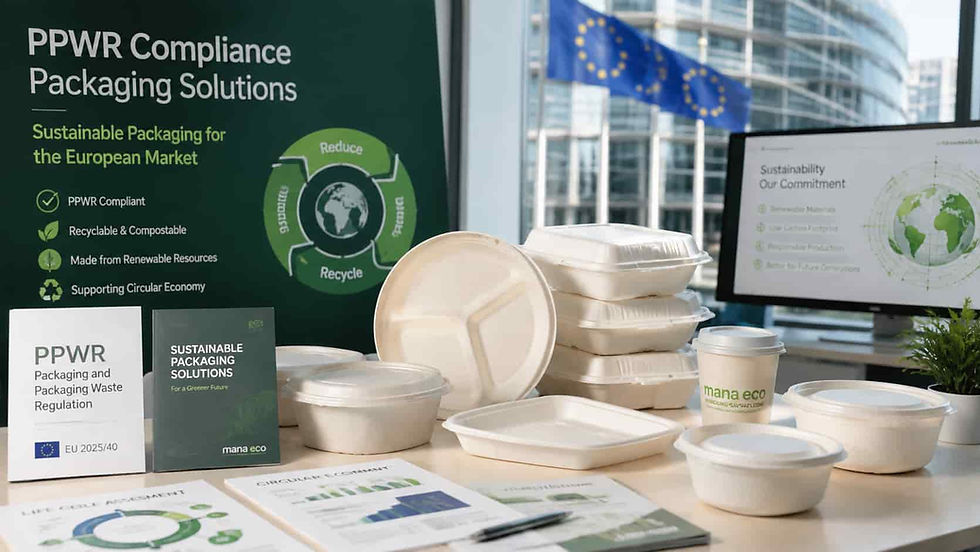
Materials such as molded fiber made from sugarcane bagasse are increasingly being used in foodservice applications including takeaway containers, plates, and bowls.
Companies like MANA ECO are investing in large-scale molded fiber production to meet the rising demand for environmentally responsible packaging alternatives.

FAQ
Why do oil prices affect plastic packaging costs?
Most plastic materials used in food packaging are derived from petroleum-based chemicals. When crude oil prices increase, the cost of producing plastic resin such as polypropylene (PP) and PET also tends to rise.
Which plastic materials are most affected by oil price changes?
Common food packaging plastics including PP (polypropylene) and PET (polyethylene terephthalate) are highly dependent on petrochemical production, making them sensitive to oil price fluctuations.
Are plant-fiber packaging materials affected by oil prices?
Plant-fiber packaging such as bagasse tableware is generally less affected by oil price changes because its raw materials come from agricultural byproducts rather than fossil fuels.
Is bagasse packaging more cost stable than plastic?
In many cases, yes. Because bagasse is sourced from agricultural waste, its price is often more stable compared to petroleum-based plastics during periods of energy market volatility.
Conclusion
Oil price volatility remains an important factor affecting the cost of plastic food packaging.
For businesses that rely heavily on petroleum-based materials such as PP and PET, fluctuations in energy markets can create uncertainty in production costs and supply chains.
As the packaging industry continues to evolve, materials derived from renewable agricultural resources may offer both environmental and economic advantages in certain applications.


Comments