
What Plates Are Microwave Safe in 2026? Complete Guide for Home & Foodservice

Updated: Jan 21
The microwave oven is one of the most convenient kitchen tools, perfect for reheating leftovers or prepping parts of a meal. However, not all dishes work the same in a microwave. Picking the wrong plate can cause melted edges, uneven heating, cracked ceramic, or even chemicals leaking into your food. This guide explains which plates are safe for the microwave, why the material matters, and how to choose wisely at home or in food service.

Introduction: Why Microwave Safety Matters
Microwaves heat food by making water molecules vibrate very fast. This creates heat from the inside out. This heating method works differently with different materials. That's why some plates handle microwaves well, while others warp, melt, or spark.
Besides being convenient, the right plate keeps your food safe. It helps avoid chemicals getting into your food and physical dangers like broken pieces or burns.
The Science Behind Microwave Heating
Microwave ovens use a special type of wave that makes water molecules move fast. Different materials react in different ways.
Microwave-safe materials: Let the waves pass through them. Only the food gets hot.
Microwave-unsafe materials: Soak up the energy or block the waves. This can make the plate get very hot in some spots or even create sparks.
Knowing this helps you pick plates that will work well and safely every time.
Common Plate Materials and Microwave Safety
Glass and Ceramic Plates
Glass and ceramic plates are some of the safest and most popular choices for the microwave. They usually contain no plastic. They are "inert," which means they do not release chemicals into your food when heated.
Pros
Handle High Heat: They can withstand high temperatures.
Chemically Safe: No harmful chemicals get into your food.
Long-Lasting: They are durable for everyday use.
Cons
Watch the Decor: Some painted designs or shiny glazes may contain tiny bits of metal, which can spark.
Risk of Cracking: Very thin ceramic plates can sometimes crack if heated or cooled too quickly (like going from fridge to microwave).
⚠️ Tip: Always check for a “microwave safe” symbol etched on the bottom.
what plates are microwave safe 2026
what plates are microwave safe 2026, Some plastics are made to be safe for the microwave. The main types are:
Polypropylene (PP)
Microwave-rated HDPE
These plastics are designed to handle heat without leaking chemicals into your food. But there are important things to know:
Wears Out: Even "microwave-safe" plastic can break down if you use it many, many times.
Avoid High Heat with Certain Foods: Heating very oily or sugary foods for a long time can make the plastic bend or warp.
Best Practice: Only use these plates for quick reheating (like 1-3 minutes). Always check and follow the directions from the maker of the plate.
Paper and Bagasse Plates
Disposable plates are very popular, especially for takeout and restaurants. Many paper and bagasse (sugarcane pulp) plates are safe for the microwave, but there are important rules:
Plain Paper Plates: Simple, uncoated paper plates can be safe for very quick heating.
Bagasse Plates: Good quality plates made from molded sugarcane pulp usually handle microwave heat well.
Important Warning: Plates with a plastic lining or a wax coating are often not safe. They can melt or create a bad smell in the microwave.
Materials That Are Not Microwave Safe
Some materials must never go in the microwave:
Metallic decorations or rims
Foil or metal trims
Non-microwave plastics like PET or polystyrene
Unknown plastic codes
These can spark, melt, or damage your oven and plate.
Hidden Factors That Impact Microwave Safety
Material Thickness and Heat Distribution
Thick plates can get hot in an uneven way. A heavy ceramic plate might stay cool in the middle while the food on top gets very hot. This quick temperature change can create stress and crack the plate.
Always let a plate sit for a minute or two after microwaving. This lets the heat spread out evenly.
Glazes, Paints & Metallic Decorations
While most ceramic and porcelain glazes are microwave safe, metallic paints or trims are not. These tiny metal inclusions can create sparks or arcing inside the microwave.
Oil & Moisture in Food
Foods with a lot of fat heat up differently than foods with a lot of water. Wet foods soak up microwave energy evenly. But fatty or oily foods can make the plate itself get hot, especially if it's plastic.
Best Thing to Do: Cover your food with a microwave-safe lid or a damp paper towel. The steam helps heat the food more evenly.
How to Test If a Plate Is Microwave Safe
You can do an easy test at home to see if your plate is microwave-safe:
Put the empty plate in the microwave.
Next to it, place a cup of water.
Heat them on high for one minute.
Carefully touch both the plate and the cup.
Result: If the plate is hotter than the water, it is not microwave-safe. This works because water soaks up microwave heat. A truly safe plate should stay cool.
Microwave Plates for Takeout & Packaging
Eco-Friendly Disposable Options
For restaurants and delivery kitchens, choosing the right takeout plate is vital:
Microwave-safe paperboard
These materials are compostable and hold heat well for reheating.
Why Bagasse Works Well
Naturally heat and moisture resistant
Compostable after use
Maintains strength better than some coated paper
These properties make bagasse plates a strong choice for takeout soups, sauced dishes, and multi-item orders.
Insulation & Lid Compatibility
For delivery, pairing a microwave-safe plate with a tight-fitting lid improves heat retention and prevents spills — especially important for high-liquid foods like stews or curries.
Paper and Bagasse Plates
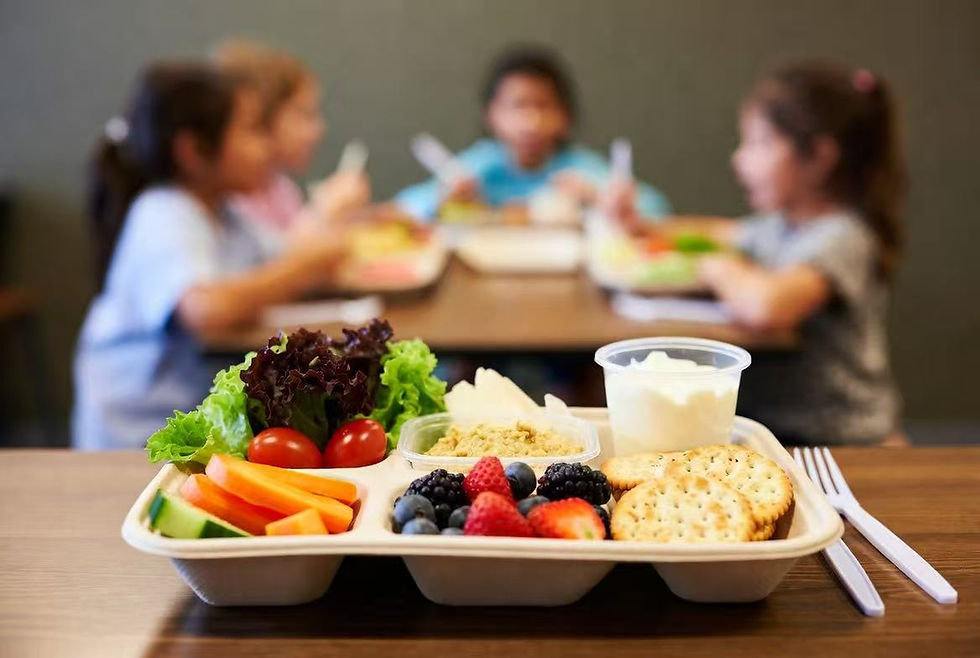
Disposable plates are used a lot more now, especially for takeout, school lunches, and office cafeterias. Among these, bagasse (sugarcane pulp) plates are a top choice. They are safe, strong, and eco-friendly.
Good quality bagasse plates – like those from MANA-ECO – are specially made for the microwave. They don't bend, leak, or make bad smells when reheated. Unlike paper plates with a plastic lining, high-quality bagasse plates don't need one. This means no risky chemicals can get into your food when you heat it.

Why MANA-ECO bagasse plates are better for microwaves:
Even Heating: Made with a precise fiber density to spread heat evenly.
Stays Strong: Resists soaking up moisture and oil.
Tested for Reheating: Made for the short heating times common in lunchrooms and delivery kitchens.
Safe Materials: Contain no BPA, PFAS, or plastic coatings.
This is why they work well not just at home, but also in schools, corporate cafeterias, and kitchens that do delivery where reheating happens all the time.
Microwave Plates for Takeout & Foodservice Packaging
Today's food service operations need microwave safety to also work with their need for speed and sustainability.

Companies like MANA-ECO make their molded fiber plates and trays for specific uses:
School lunches that need to be reheated safely.
Office meals that include a mix of hot foods.
Set menus and meal combos where keeping foods separate and handling heat is important.
Unlike flimsy paper or low-quality pulp products, MANA-ECO's bagasse tableware stays strong when reheated. This helps kitchens avoid complaints about plates getting soggy or containers falling apart.
This kind of dependable performance is a big reason why molded bagasse plates are taking the place of plastic and coated paper in many school, hospital, and corporate meal programs in 2026.
Eco-Friendly Disposable Options (Enhanced Section)
Among all compostable disposable plates, bagasse (sugarcane pulp) is the clear winner for microwave use.
Compared to PLA (corn plastic) or coated paper plates:
Handles More Heat: Bagasse doesn't get soft as easily from the microwave's heat.
Works Better with Real Food: It holds up well with wet, saucy, or oily meals like soup, curry, or pasta.
Composts More Reliably: It breaks down more completely and faster in a composting facility.
Brands like MANA-ECO design their products for real daily use—like reheating a school lunch or a takeout meal—not just to pass a single test. This makes their plates better for the actual needs of kitchens and customers.
FAQ — Microwave Safe Plates Explained
Q: Does “microwave safe” mean it won’t melt?
A: Not exactly. It means the material won't break apart or release dangerous chemicals when heated. But it can still get very hot from the food.
Q: Are all glass plates microwave safe?
A: Most heat-treated glass plates are safe. Do not use plates with shiny metal trim or decorations you are not sure about.
Q: Can I microwave plastic plates?
A: Yes, but only if the label says "microwave safe." Regular plastic plates can melt or leak chemicals into your food.
Q: Are paper plates safe in the microwave?
A: Simple, uncoated paper plates are usually okay for very short heating (like 30-60 seconds). Avoid plates that feel waxy, shiny, or have a plastic lining, as they can melt.
Q: What about bagasse plates?
A: Yes. Good quality bagasse (sugarcane pulp) plates are made to handle microwave heat. They are often a very good, strong choice for reheating meals.
Conclusion: Choose Plates That Work & Last
Microwave safety is more than just easy to use. It’s about health, how well the plate works, and clear instructions on the label.
Glass and ceramic are the most dependable choice for daily use.
Certain tested plastics and bagasse plates are good flexible options for takeout and quick meals.
Knowing what your plate is made of, how it spreads heat, and how you really use it makes your kitchen safer and your food hotter — whether you're warming up leftovers or serving a fresh meal.



Comments