
Sugarcane Bagasse Tableware Quality Control: 15 Essential Checks Before Bulk Ordering


Introduction: Why Sugarcane Bagasse Tableware Quality Control Matters for Global Buyers
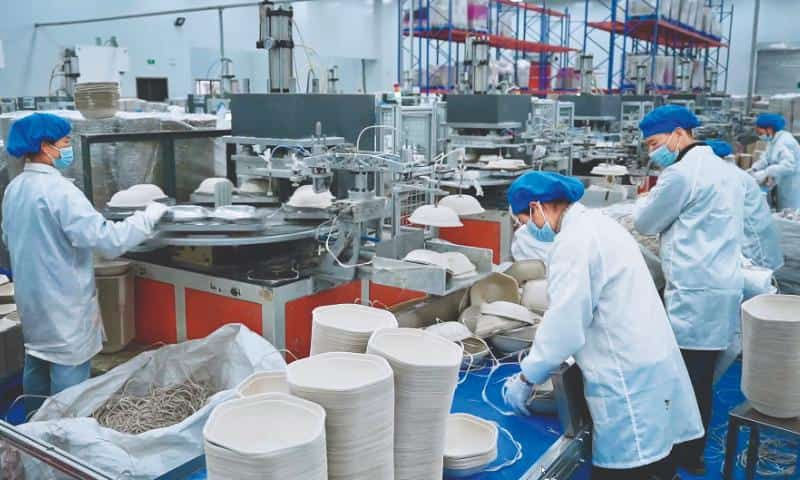
With the increasing demand for sustainable food packaging, sugarcane bagasse tableware has become one of the most popular alternatives to traditional plastic and foam products.
Learn more about sugarcane bagasse tableware manufacturing process and how professional factories control production quality from raw material preparation to finished products.
Restaurants, catering companies, supermarkets, food distributors, and importers around the world are choosing bagasse plates, bowls, trays, and food containers because they are made from renewable sugarcane fiber and provide excellent food-service performance.
However, when purchasing large quantities from overseas suppliers, product appearance alone is not enough.
A professional sugarcane bagasse tableware quality control system is essential to ensure:
Stable product quality
Food safety compliance
Consistent appearance
Reliable performance during transportation and usage
Reduced risk of customer complaints
For importers and distributors, choosing a supplier with strict sugarcane bagasse tableware quality control procedures is often more important than simply selecting the lowest price.
A qualified manufacturer should control every stage, including raw material inspection, pulp preparation, molding production, finished product inspection, and export packaging.
What Is Sugarcane Bagasse Tableware Quality Control?
Sugarcane bagasse tableware quality control refers to a complete inspection and management process used to verify that bagasse products meet customer requirements before shipment.
The process normally includes:
Raw material inspection
Product molding control
Size and weight inspection
Appearance inspection
Strength testing
Water and oil resistance testing
Heat resistance evaluation
Packaging inspection
Pre-shipment quality checks
For B2B buyers, quality control is not only about checking defective products. It is about ensuring that every production batch can meet the same standards for future repeat orders.
Sugarcane bagasse tableware is produced from renewable sugarcane fiber. Compared with traditional plastic packaging, it provides a more sustainable food packaging solution.
Why Sugarcane Bagasse Tableware Quality Control Is Important for Importers
Many buyers focus mainly on:
Product price
MOQ
Delivery time
However, quality problems can create much higher hidden costs.
Common problems caused by poor quality control include:
Plates bending during food service
Bowls becoming soft with hot soup
Clamshell containers breaking during delivery
Uneven product sizes affecting stacking
Poor carton protection causing transportation damage
A reliable supplier should have a complete sugarcane bagasse tableware quality control process from production to shipment.
For international buyers, stable quality means:
✅ Fewer customer complaints✅ Better brand reputation✅ Lower return risks✅ More reliable long-term cooperation
15 Key Sugarcane Bagasse Tableware Quality Control Checks Before Bulk Ordering
1. Raw Material Quality Inspection

The quality of sugarcane bagasse fiber directly affects the final product performance.
During incoming material inspection, manufacturers should check:
Fiber cleanliness
Material consistency
Color stability
Odor control
Foreign material contamination
High-quality bagasse pulp helps produce stronger and more stable tableware.
Poor raw materials may cause:
Weak structure
Uneven color
Surface defects
Unstable production results
2. Sugarcane Bagasse Tableware Quality Control During Pulp Preparation
The pulp preparation process determines the basic performance of molded fiber products.
Important control points include:
Fiber concentration
Mixing uniformity
Moisture control
Pulp quality consistency
A professional factory should maintain stable pulp conditions to ensure every batch has similar strength and appearance.

3. Mold Accuracy and Product Shape Inspection
The molding process determines:
Product dimensions
Wall thickness
Product structure
Stacking performance
During sugarcane bagasse tableware quality control, manufacturers should check:
Product size accuracy
Edge shape
Corner structure
Lid matching
For example:
A bagasse food container with an inaccurate mold may cause:
Loose lid fitting
Leakage problems
Poor customer experience
4. Appearance Quality Inspection
Appearance is the first impression for end users.
Professional inspection should check:
Surface smoothness
Color consistency
Edge trimming
Visible defects
Product cleanliness
Common appearance defects include:
Black spots
Cracks
Rough edges
Deformation
5. Weight and Thickness Control
Weight consistency is an important indicator of product stability.
During production, suppliers should monitor:
Individual product weight
Thickness tolerance
Density consistency
A product that is too light may have insufficient strength.
A product that is too heavy may increase unnecessary shipping costs.
6. Strength and Load Testing
Different products require different strength standards.
For example:
Bagasse plates
Need to support:
Heavy meals
Multiple food items
Catering applications
Bagasse bowls
Need to withstand:
Soup
Curry
Hot food
Bagasse clamshell containers
Need:
Strong hinge structure
Secure closing performance
Strength testing is a key part of sugarcane bagasse tableware quality control.
7. Water Resistance and Oil Resistance Testing
Food packaging must perform well in real applications.
Testing should include:
Hot food contact
Oil food contact
Liquid holding performance
Typical applications include:
Fried food
Rice meals
Salads
Soups
Takeaway meals
A professional supplier should verify product performance based on actual customer usage.
8. Heat Resistance Testing
Many buyers use bagasse products for hot food service.
Quality testing should consider:
Temperature resistance
Holding time
Product deformation
For example:
Soup bowls and meal containers require higher performance compared with dry-food plates.
With increasing environmental regulations, many buyers require PFAS-free bagasse tableware.
Buyers can also learn more about our PFAS-free compostable tableware solutions.
During supplier evaluation, buyers should confirm:
Testing reports
Compliance documents
Product-specific certifications
PFAS-free claims should always match the actual SKU supplied.
10. Lid Compatibility Testing
For food containers with lids, the lid and container should be tested together.
Inspection points include:
Closing strength
Leakage prevention
Matching accuracy
Stacking stability
A good container system requires both parts to work properly.
11. Stacking and Transportation Testing
Export products must survive long-distance transportation.
Quality control should include:
Product stacking tests
Carton compression checks
Container loading evaluation
Poor packaging may cause:
Broken products
Deformed cartons
Increased loss rate
12. Packaging Quality Inspection
Export packaging directly affects product safety.
Check:
Carton strength
Inner packaging
Product quantity
Label information
Professional suppliers should ensure packaging matches customer requirements.
13. Production Batch Inspection
Before shipment, manufacturers should inspect random samples from production batches.
Inspection items include:
Appearance
Dimensions
Weight
Function performance
Batch inspection helps ensure consistent quality.
14. Sample Approval Before Mass Production
Before large orders, buyers should always approve samples.
Sample approval should confirm:
Product design
Size
Weight
Performance
Packaging
A clear sample approval process reduces future disputes.
15. Final Pre-Shipment Inspection
The final inspection is the last quality checkpoint before export.
It should verify:
Correct quantity
Correct products
Correct packaging
Product quality consistency
A complete sugarcane bagasse tableware quality control system protects both suppliers and buyers.
How to Choose a Reliable Sugarcane Bagasse Tableware Supplier?
Choosing the right supplier is also important for controlling MOQ, production capacity, and delivery time.
When selecting a supplier, buyers should evaluate:
Production Capability
Check:
Factory scale
Production equipment
Monthly capacity
Manufacturing experience
Quality Management System
Ask about:
Inspection procedures
Testing methods
Quality records
Certification Support
Confirm availability of:
Food contact certifications
Compostability certifications
PFAS-free documentation
In North America, compostable packaging products are commonly evaluated through certification programs such as BPI.
Export Experience
An experienced exporter understands:
International packaging requirements
Container loading
Shipping risks
Customer expectations
FAQ About Sugarcane Bagasse Tableware Quality Control
1. Why is sugarcane bagasse tableware quality control important?
Sugarcane bagasse tableware quality control helps buyers ensure product safety, durability, appearance consistency, and stable performance during large-volume purchasing.
2. What should buyers check before ordering bagasse tableware?
Buyers should check:
Product samples
Factory quality system
Testing reports
Product strength
Packaging method
Production capability
3. How can buyers test bagasse tableware quality?
The best method is testing samples under real conditions:
Hot food
Oily food
Transportation simulation
Stacking tests
4. What are common quality problems with bagasse tableware?
Common problems include:
Weak structure
Leakage
Poor lid fitting
Uneven size
Surface defects
Most problems can be reduced through strict sugarcane bagasse tableware quality control.
Conclusion: Quality Control Is the Foundation of Reliable Bagasse Tableware Supply
For global buyers, purchasing sugarcane bagasse tableware is not only about finding an eco-friendly product.
The real challenge is finding a supplier who can provide:
Stable production
Consistent quality
Reliable documentation
Professional export service
A strong sugarcane bagasse tableware quality control system ensures that every shipment meets customer expectations and supports long-term business growth.
Looking for a Trusted Sugarcane Bagasse Tableware Manufacturer?
Quality consistency is the foundation of successful long-term cooperation.
If you are sourcing sugarcane bagasse plates, bowls, trays, clamshell containers, or other compostable food packaging products.
MANA-ECO can provide:
✔ Factory-direct supply
✔ OEM and custom packaging solutions
✔ Stable quality control system
✔ Export support for global buyers


Comments