
PPWR and Sustainable Food Packaging: Why Bagasse Tableware Is the Future of Compostable Packaging
- abel zhao
- 24 hours ago
- 8 min read

Introduction

As sustainability regulations continue to reshape the global packaging industry, food businesses are facing increasing pressure to rethink traditional disposable packaging solutions.
For restaurants, catering companies, food distributors, and sustainable brands, packaging selection is no longer only about cost, convenience, and performance. Companies must also consider:
Environmental impact;
Material safety;
Waste management;
Future regulatory requirements.
One of the most important changes affecting the European packaging industry is the introduction of the Packaging and Packaging Waste Regulation (PPWR).
The regulation represents a major step toward reducing packaging waste, improving circularity, and encouraging businesses to move toward more sustainable materials.
This development raises an important question for food packaging buyers:
What type of packaging materials can meet future sustainability expectations while maintaining reliable performance?
Among the available alternatives, bagasse tableware is becoming an increasingly attractive solution.
Made from renewable sugarcane fiber, bagasse tableware provides a plant-based option for plates, bowls, food containers, and takeaway packaging. With compostable properties, plastic-free characteristics, and excellent food service performance, bagasse products align closely with the global shift toward sustainable food packaging.
In this article, we will explain:
What PPWR means for food packaging businesses;
How sustainable packaging requirements are changing;
Why traditional packaging faces increasing challenges;
Why bagasse tableware is becoming a preferred alternative;
How businesses can prepare for the future of compostable packaging.
What Is PPWR and Why Does It Matter for Food Packaging?
PPWR stands for:
Packaging and Packaging Waste Regulation
It is a European Union regulation designed to create a more sustainable packaging system by reducing packaging waste and improving resource efficiency.
The regulation focuses on several key objectives:
Preventing unnecessary packaging waste;
Increasing packaging recyclability;
Supporting reusable packaging solutions;
Improving material transparency;
Reducing the environmental impact of packaging.
For companies selling food packaging products in Europe, PPWR represents a significant change in how packaging materials will be evaluated.
In the past, many businesses mainly considered:
Product price;
Manufacturing cost;
Durability;
Convenience.
However, future packaging decisions will increasingly include:
Where materials come from;
How products are disposed of;
Whether packaging supports circular economy goals;
Whether materials contain substances of concern.
This means sustainable packaging is becoming a business requirement rather than simply a marketing advantage.
How Does PPWR Impact Food sustainable packaging?
Food packaging is one of the industries most affected by sustainability regulations.
Every day, millions of disposable products are used worldwide, including:
Takeaway containers;
Disposable bowls;
Plates;
Cups;
Food trays.
While these products provide convenience for consumers and businesses, traditional packaging materials can create challenges at the end of their lifecycle.
Under increasing regulatory pressure, food packaging businesses need to evaluate:
Material Selection
Businesses need to understand whether their packaging materials rely on:
Renewable resources;
Fossil-based plastics;
Complex multi-layer structures.
Waste Management
Future packaging systems will place greater importance on:
Recycling;
Composting;
Reuse;
Reduced waste generation.
Chemical Safety
Packaging suppliers and buyers are also paying more attention to:
Food contact safety;
Restricted substances;
PFAS-free requirements.
For European importers and distributors, choosing the right packaging material today can help prepare their business for future market expectations.
Why Traditional Food Packaging Faces More Challenges
For many years, plastic packaging and coated paper products have dominated the food service industry because they provide:
Low production costs;
Strong durability;
Excellent moisture resistance;
Easy transportation.
However, sustainability concerns are changing how these materials are viewed.
Challenges of Plastic Food Packaging
Plastic packaging remains popular because of its performance advantages.
However, many traditional plastic products are made from fossil-based resources.
Common concerns include:
Dependence on petroleum;
Long degradation periods;
Waste management challenges;
Consumer concerns about plastic pollution.
As governments and consumers demand more sustainable solutions, businesses are exploring alternatives made from renewable materials.
Challenges of PE-Coated Paper Packaging
Paper packaging is often considered more environmentally friendly than plastic.
However, many paper cups and food containers use plastic coatings such as polyethylene (PE) to improve:
Leak resistance;
Oil resistance;
Product durability.
The challenge is that combining paper with plastic layers can make recycling more complicated.
This has increased interest in packaging solutions that provide food protection without relying on conventional plastic structures.
Why Bagasse Tableware Is Becoming a Sustainable Alternative

Bagasse tableware is made from sugarcane bagasse, the fibrous material remaining after sugarcane juice extraction.
Instead of being treated as agricultural waste, bagasse can be processed into valuable food packaging products.
Common bagasse products include:
Sugarcane bagasse plates;
Compostable bowls;
Food containers;
Clamshell boxes;
Meal trays.
The combination of renewable material sourcing and practical performance makes bagasse tableware an important option in the future of sustainable food packaging.
Key Advantages of Bagasse Tableware Under Future Packaging Regulations
1. Made From Renewable Sugarcane Fiber
Unlike petroleum-based plastics, bagasse comes from an agricultural resource.
Sugarcane is already widely produced globally, and bagasse is a natural by-product of sugar production.
Using bagasse helps create additional value from existing agricultural materials.
2. Supports Compostable Packaging Solutions
One of the biggest advantages of bagasse tableware is its compatibility with compostable packaging systems.
Under suitable composting conditions, bagasse products can break down into natural organic materials.
This makes bagasse an attractive choice for businesses looking for alternatives to traditional disposable plastics.
3. Plastic-Free Packaging Structure
Many businesses are actively looking for plastic-free food packaging solutions.
Bagasse tableware does not require a traditional plastic structure to provide:
Strength;
Heat resistance;
Food protection.
This makes it suitable for businesses aiming to reduce plastic dependency.
4. Suitable Performance for Food Service Applications
Sustainable packaging must still meet real-world requirements.
Bagasse tableware offers:
Good rigidity;
Oil resistance;
Heat resistance;
Suitability for hot and cold foods.
Typical applications include:
Restaurants;
Catering services;
Food delivery;
Supermarkets;
Sustainable food brands.
Bagasse Tableware vs Plastic and Coated Paper Packaging

When businesses evaluate sustainable food packaging solutions, the decision is usually not simply about replacing one material with another.
Instead, buyers need to consider the complete lifecycle of packaging:
Raw material source;
Manufacturing process;
Product performance;
End-of-life options;
Future regulatory requirements.
The following comparison shows why bagasse tableware is gaining attention among food businesses looking for more sustainable alternatives.
Feature | Bagasse Tableware | Plastic Packaging | PE-Coated Paper Packaging |
Main material | Sugarcane fiber | Petroleum-based plastic | Paper + plastic coating |
Renewable resource | Yes | No | Partially |
Plastic structure | Plastic-free option available | Yes | Contains plastic layer |
Compostable options | Available | Limited | Depends on structure |
Raw material source | Agricultural by-product | Fossil resources | Paper pulp + coating |
Sustainability positioning | High | Lower | Medium |
Suitable applications | Plates, bowls, containers, trays | Containers, cups, packaging | Cups and food packaging |
Why Are Businesses Moving Toward Bagasse Instead of Traditional Packaging?
The shift toward bagasse tableware is not only driven by environmental concerns.
Businesses are also considering:
Consumer Expectations
Modern consumers increasingly prefer brands that demonstrate environmental responsibility.
Packaging has become part of the customer experience.
A restaurant or food brand using compostable packaging can communicate:
Sustainability commitment;
Responsible business practices;
Environmental awareness.
Regulatory Preparation
As sustainability regulations develop, businesses need packaging solutions that can better align with future requirements.
Choosing renewable fiber packaging today can help companies reduce the need for future packaging changes.
Brand Differentiation
For many sustainable brands, packaging is an important part of their market positioning.
Using bagasse tableware allows companies to highlight:
Plant-based materials;
Plastic reduction;
Sustainable sourcing.
How Does PPWR Encourage the Development of Alternative Packaging Materials?
PPWR is part of a broader global movement toward a circular economy.
The traditional packaging model:
Raw Materials
      ↓
Production
      ↓
Single Use
      ↓
Waste
is gradually being replaced by a more sustainable approach:
Renewable Materials
      ↓
Responsible Production
      ↓
Product Use
      ↓
Composting / Recycling
      ↓
Resource Recovery
This shift encourages businesses to evaluate packaging based on the entire product lifecycle.
For food packaging companies, this means considering:
Material Origin
Where does the packaging material come from?
Examples:
Renewable plant fibers;
Recycled materials;
Fossil-based resources.
End-of-Life Management
What happens after the product is used?
Possible solutions include:
Recycling;
Composting;
Reuse.
Environmental Impact
Businesses increasingly need to understand:
Carbon footprint;
Resource consumption;
Waste generation.
Bagasse tableware fits well into this sustainability direction because it uses agricultural fibers and supports compostable packaging solutions.
How Should Food Packaging Businesses Prepare for PPWR?
For importers, distributors, restaurants, and brands, preparing for future packaging requirements starts with evaluating current packaging choices.
1. Review Existing Packaging Materials
Businesses should analyze their current products:
Are they plastic-based?
Do they contain plastic coatings?
Are they difficult to recycle?
Do they create unnecessary waste?
Understanding existing packaging limitations is the first step toward improvement.
2. Evaluate Sustainable Alternatives
Companies should compare available materials based on:
Performance;
Sustainability;
Certification;
Market acceptance.
Common alternatives include:
Bagasse tableware;
Molded fiber packaging;
Compostable packaging materials.
Among these options, bagasse has become popular because it provides a balance between sustainability and practical food service performance.
3. Request Compliance Documentation From Suppliers
When selecting sustainable packaging suppliers, buyers should request supporting documents such as:
Food contact compliance information;
Material specifications;
Compostability certifications;
Testing reports.
Reliable documentation helps businesses make informed purchasing decisions.
4. Choose Suppliers With Long-Term Capability
Sustainable packaging is not only about choosing the right material.
Businesses should also evaluate suppliers based on:
Production capacity;
Quality control;
Export experience;
Customization ability;
Supply stability.
A reliable supply chain is essential for companies entering the sustainable packaging market. Working with an experienced sustainable packaging supplier can help businesses improve product quality, compliance, and market competitiveness.
Why PFAS-Free Packaging Is Becoming Important in Sustainable Food Packaging
Besides waste reduction and recyclability, chemical safety is becoming another important consideration in packaging selection.
PFAS (Per- and Polyfluoroalkyl Substances) have historically been used in some food packaging applications because of their water and oil resistance.
However, growing concerns about persistent chemicals have increased demand for:
PFAS-free food packaging;
Safer food contact materials;
More transparent supply chains.
For businesses choosing sustainable packaging solutions, the future focus is not only:
“Is this packaging biodegradable?”
but also:
“Is this packaging safe, compliant, and responsibly produced?”
This is why many buyers are increasingly interested in PFAS-free bagasse tableware.
Applications of Bagasse Tableware in Sustainable Food Packaging
Bagasse tableware is suitable for many food service industries.
Restaurants and Cafes
Applications include:
Takeaway meals;
Hot food containers;
Disposable plates and bowls.
Restaurants can use bagasse products to reduce reliance on conventional disposable plastics.
Catering Companies
Large-scale catering businesses require packaging that combines:
Reliable performance;
Convenient handling;
Sustainable positioning.
Bagasse trays and containers are commonly used for:
Events;
Corporate catering;
Food service operations.
Food Delivery Businesses
The growth of food delivery has increased demand for sustainable takeaway packaging.
Bagasse containers provide solutions for:
Rice meals;
Salads;
Fried foods;
Combination meals.
Sustainable Brands and Retailers
Brands focused on environmental values can use bagasse packaging as part of their sustainability strategy.
Options include:
Custom packaging;
Private label solutions;
Branded food containers.
Frequently Asked Questions About PPWR and Bagasse Tableware
What does PPWR mean for food packaging suppliers?
PPWR encourages packaging companies to focus more on sustainability, waste reduction, material transparency, and circular packaging solutions.
Is bagasse tableware compliant with sustainable packaging trends?
Bagasse tableware aligns with many sustainability trends because it is made from renewable sugarcane fiber and can support compostable packaging applications.
Why are businesses looking for alternatives to plastic packaging?
Companies are seeking alternatives because of increasing concerns about plastic waste, fossil resource dependence, and changing consumer expectations.
Is bagasse better than PE-coated paper packaging?
Bagasse provides a plant-based alternative without a traditional plastic structure. However, the suitability of each packaging type depends on application requirements, regulations, and disposal systems.
Does PPWR mean all plastic packaging will be banned?
No. PPWR focuses on improving packaging sustainability, reducing waste, and encouraging better packaging design rather than simply eliminating all plastic packaging.
Conclusion
The future of food packaging is moving toward solutions that combine performance, sustainability, and regulatory readiness.
As PPWR and other sustainability initiatives reshape the packaging industry, businesses need to rethink traditional disposable materials and explore alternatives that better support circular economy goals.
Bagasse tableware represents one of the most promising sustainable food packaging solutions because it combines:
Renewable sugarcane fiber;
Compostable packaging options;
Plastic-free alternatives;
Practical food service performance.
For restaurants, distributors, and sustainable brands, choosing the right packaging material today can help build a stronger position for the future.
As demand for sustainable food packaging continues to grow, sugarcane bagasse products will play an increasingly important role in replacing traditional disposable packaging solutions.
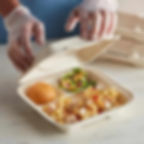
Looking for PPWR-Ready Sustainable Food Packaging Solutions?
Mana Eco supplies sugarcane bagasse plates, bowls, food containers, and customized compostable packaging solutions for global distributors, restaurants, catering companies, and sustainable brands.
Our solutions help businesses move toward more responsible food packaging choices with:
Renewable sugarcane fiber materials;
OEM and customization options;
Export experience;
Sustainable packaging solutions for global markets.