
The Ultimate Guide to Best Non-Toxic Dinnerware in 2026

Updated: Apr 14

Picking plates and bowls isn't just about looks or how long they last. It's about your health, safety, and long-term wellness. You use plates and bowls many times a day. This means that any harmful chemicals or unsafe materials in them can leak into your food and build up in your body over time. In this guide, we will look at the safest plates and bowls you can buy in 2026, what kinds to stay away from, how to make a smart choice, and the real science that explains why some materials are safe.
Why Best non-toxic Dinnerware Matters
We use plates and bowls many times every day. Many common plates and bowls still have dangerous things in them. These include lead, cadmium, BPA, phthalates, PFAS, and melamine. These chemicals are connected to serious health problems. They can mess up hormones, affect reproduction, and harm a child's brain development.
Non-toxic dinnerware doesn't have these risks. It also usually fits with a green and eco-friendly lifestyle. It means less waste and less contact with man-made chemicals in your everyday food.
Core Materials for Safe, Non-Toxic Dinnerware
Tempered & Borosilicate Glass
Glass is one of the safest, most non-toxic materials you can buy for plates and bowls. It does not leak chemicals and is non-porous, so it doesn't soak up food or bacteria. Tempered glass or borosilicate glass (like Pyrex) is even better. It handles sudden temperature changes without cracking and is usually safe for dishwashers and microwaves.
Pros:
Completely safe; does not leak any chemicals.
Smooth surface that is easy to keep clean.
Safe for the dishwasher and microwave.
Cons:
Can break or chip if you drop it.
A little heavier than plastic or bamboo.
Best For: Everyday plates and bowls, dishes for children, and reheating food in the microwave.

Lead-Free Ceramic, Porcelain & Stoneware
Ceramics like porcelain and stoneware can be great, safe plates and bowls—if they are made right. They must be baked at very high heat and have a safe glaze. Always look for products labeled "lead-free" and "cadmium-free." It's even better if a trusted outside company tested them, or if they follow FDA or Prop 65 safety rules.
Pros:
Strong and keeps food warm.
Looks good and comes in many styles.
Often safe for dishwashers and ovens.
Cons:
Glazes on colored or patterned pieces might still have heavy metals, unless the label says they are safe.
Can chip if you drop it.
Best Tip: Choose ceramics from an art studio or a brand you trust that clearly says their products are non-toxic.
Food-Grade Stainless Steel
Stainless steel is metal, but it's safe for food. When made from good alloys like 18/8 or 18/10, it doesn't react, is very strong, and won't rust. It doesn't leak bad chemicals, making it great for kids' plates, outdoor use, or busy families.
Pros:
Almost impossible to break and very tough.
Has no BPA, lead, or cadmium.
Safe for dishwashers and won't rust.
Cons:
Cannot be used in the microwave.
Can get scratched with regular use.
Best For: Everyday family meals, picnics and camping, and plates for children.
Food-Grade Silicone
High-quality food-grade silicone is a safe, non-toxic choice. It's often used for kids' plates and bendable dishes. It's stable, has no BPA, and can handle high heat. Choose platinum-cured silicone to avoid unsafe added materials.
Pros:
Light and won't break.
Does not leak chemicals.
Safe for the fridge, dishwasher, and some microwave use.
Cons:
Can bend or fold if you put a heavy plate on top of it.
Usually not the best choice for a fancy dinner.
Plant-Based Dinnerware (Bamboo & Wood)
Natural materials like bamboo and hardwood can be safe if they are 100% free of melamine and not treated with man-made glues. Pure bamboo dishes are light, can break down naturally, and resist germs. But be careful: Many "bamboo" products for sale are actually made with plastic glue (like melamine), which is not safe. Always read the label very carefully.
Pros:
Good for the planet and will biodegrade.
Lightweight and has a nice, natural look.
Cons:
Not all bamboo dishes are non-toxic; many are mixed with plastic.
If it's made with resin glue, it is not safe for the microwave.
Safety Tip: Choose plates and bowls made from solid wood or bamboo that do not use any chemical binders or glues.
Sugarcane Bagasse Dinnerware: A Non-Toxic & Compostable Alternative
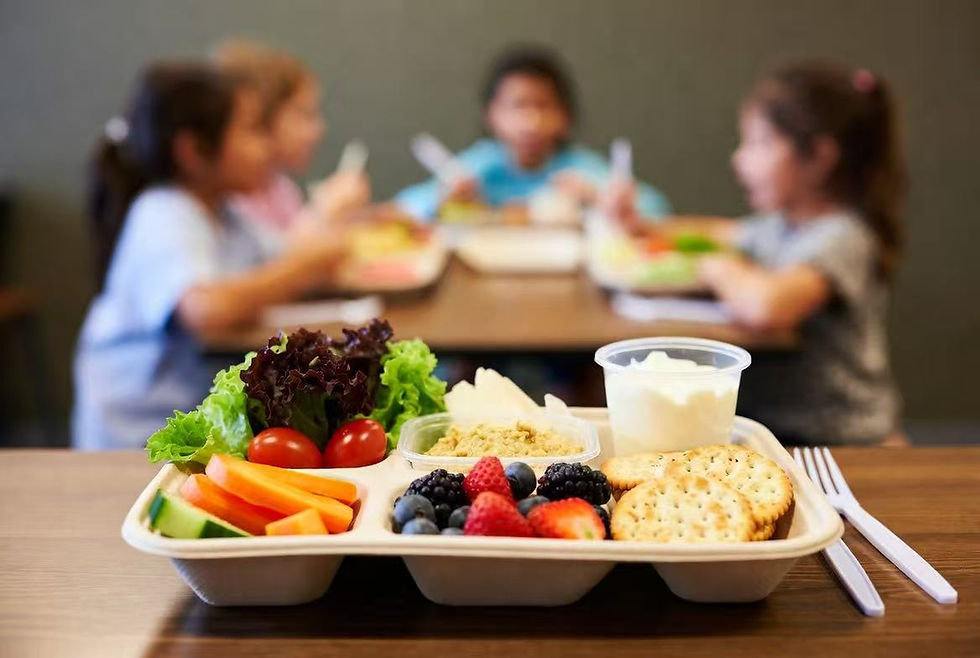
More people are choosing to avoid plastic and chemical-coated tableware. As a result, sugarcane bagasse dinnerware has become a popular, non-toxic option. It is especially useful as a disposable choice for restaurants, schools, and takeout.
Bagasse is the natural plant fiber left over after squeezing the juice from sugarcane. Instead of throwing this fiber away, it is shaped into plates, bowls, and trays. This creates a product that works well and is good for the planet.
Why Bagasse Is Considered Non-Toxic
Good quality bagasse plates and bowls are made without:
Plastic coatings
BPA
PFAS ("forever chemicals")
Man-made glues

They are shaped using just heat and pressure. The natural plant fibers lock together to make a strong product, so no chemical additives are needed.
Because of this, bagasse plates do not leak harmful stuff into your food, even if the food is hot or oily. This makes them a safer choice than many plastic or coated paper plates, that's why bagasse is the best non-toxic dinnerware.
For health and safety, bagasse dinnerware is:
Free from lead and cadmium.
Free from BPA and PFAS.
Safe for direct contact with food.
Safe for reheating in the microwave.
These benefits make bagasse a great option for school lunches, hospital trays, office cafeterias, and family takeout meals.
Performance Advantages of Bagasse Plates
Unlike many thin paper plates, bagasse has a dense, strong fiber structure. It works well with actual meals.
Key strengths include:
Handles High Heat: Good for hot meals and quick microwave reheating.
Resists Moisture and Oil: Ideal for soups, curries, and foods with sauce.
Stays Strong: Reduces the risk of bending or leaking while you eat.
Compostable: Breaks down in compost facilities more completely and reliably than some bioplastics (like PLA).
For disposable tableware, bagasse gives you a great mix of food safety, strength, and care for the environment.
Limitations to Be Aware Of
Bagasse dinnerware has many good points, but there are also some limits.
Potential drawbacks include:
Made for One Use: Designed to be disposable, not for washing and reusing many times.
Casual Look: Has a more natural, less polished look than ceramic or glass.
Quality Varies: Not all bagasse plates are the same. Cheap, thin ones can feel weak and get soggy fast.
Needs Composting: To get the full earth-friendly benefit, it needs to go to an industrial composting facility, not a regular trash can.
Remember: quality matters. Plates made with poor fiber density or low pressure during manufacturing will feel flimsy and not work as well.
Bagasse vs Traditional Non-Toxic Dinnerware
Bagasse isn't trying to take the place of your everyday ceramic, glass, or metal dishes at home. It serves a different purpose.

Bagasse plates are best used for:
Safe, disposable food packaging you can feel good about.
Serving large groups where washing hundreds of dishes isn't possible.
Takeout and delivery for customers who care about the environment.
Schools, hospitals, and offices that need safe, earth-friendly options.
For plates you use every day at home, reusable materials are still the best choice. But when you need something disposable, bagasse is one of the safest and most responsible options you can pick.

Dinnerware to Avoid (Toxins & Risks)
Melamine & Plastic Dinnerware
Melamine dinnerware is lightweight and durable but can leach formaldehyde and melamine, especially with hot or acidic foods, leading to potential health concerns. It is not microwave safe and not ideal for daily dinnerware.
Vintage or Unknown Ceramics
Older ceramic and china pieces — especially those with bold or decorative glazes — may contain lead or cadmium. Modern regulations restrict these toxins, but vintage sets pre-2000 may still be unsafe.
What to Look for When Buying Safe Dinnerware
Certifications & Labels
Look for plates and bowls with these safety labels:
FDA food-contact approval
Prop 65 (no warning label) – This means it passed California's strict safety test.
Lead-free / cadmium-free statements
Third-party testing – A separate company checked it.
These labels help make sure the products don't leak heavy metals or bad chemicals into your food during normal use.
Consider Usage & Lifestyle
Safe dinnerware should also work for how you live.
For Easy Daily Use: Choose plates that are microwave and dishwasher safe.
For Family Dinners: Pick strong ceramic or glass that can handle daily use.
For Kids or Outdoors: Use stainless steel or silicone. They are tough and won't break.
Important: Avoid products that just say "eco-friendly" without proof they are also non-toxic and safe for food.
How to Care for Your Non-Toxic Dinnerware
Handle with Care
Even non-toxic materials like glass or ceramic can chip or crack. Avoid sudden temperature changes (e.g., from freezer to hot oven) and handle carefully.
Maintain Clean Surfaces
Non-porous materials like glass and stainless steel resist bacteria, but cleaning regularly with mild detergents ensures longevity and safety.
FAQ – Choosing Non-Toxic Dinnerware
Q: Is glass the safest dinnerware material?
A: Yes. Tempered and borosilicate glass is stable, doesn't have pores, and doesn't leak chemicals into food. This makes it one of the safest options you can choose.
Q: Can I put stainless steel plates in the microwave?
A: No. Stainless steel is safe to eat from, but metal should never go in a microwave. It can cause sparks and damage the appliance.
Q: Are bamboo dinnerware sets safe and non-toxic?
A: Pure bamboo is safe and breaks down naturally. However, many "bamboo" sets are made with a plastic glue called melamine. Always look for "melamine-free" on the label.
Q: Is ceramic dinnerware safe for kids?
A: Modern ceramics from trusted brands can be safe if they are certified lead-free. Avoid old, handmade, or heavily decorated pieces, as their glazes might contain lead.
Q: What's the best dinnerware for everyday use?
A: A mix of tempered glass, lead-free ceramic, and stainless steel works best. This gives you strength, safety, and options for different meals and uses.
Conclusion – Smart Choices for Health and Sustainability
Non-toxic dinnerware is more than just popular. It is a smart, healthy choice based on science. It lets you eat with peace of mind every day.
By choosing safe materials like:
Tempered glass
Ceramics with safety labels
Food-grade stainless steel
Safe silicone
Sugarcane Bagasse
...you greatly reduce contact with dangerous chemicals. This lets you enjoy your meals knowing they are safe. Better quality dishes also last much longer. This helps the planet by creating less waste, now and in the future.

Mark
Director at Mana-Eco
Specializing in biodegradable tableware
WhatsApp: +86 18858902211
Email: mark@mana-eco.com


Comments