
PPWR Compliance Packaging: A Complete Guide for Food Packaging Buyers


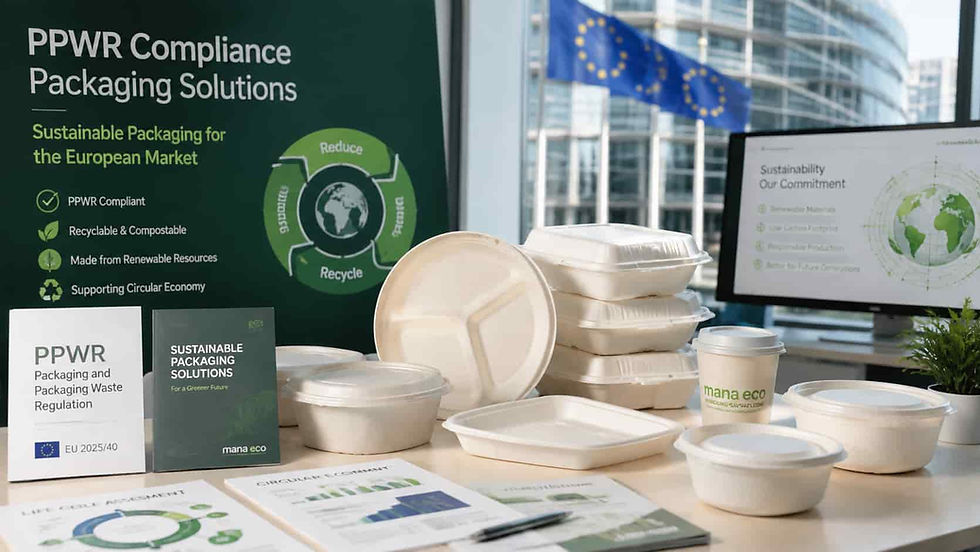
Introduction
The European food packaging industry is entering a new stage as sustainability requirements continue to reshape how companies design, purchase, and manage packaging solutions.
For many years, food packaging buyers mainly focused on factors such as:
Product price
Supply stability
Transportation cost
Product performance
However, with increasing environmental concerns and stricter packaging regulations, sustainability has become an important part of purchasing decisions.
For companies importing, distributing, or using food packaging products in Europe, choosing suitable packaging materials is no longer only a business decision — it is also a long-term compliance strategy.
As a professional sustainable packaging supplier, Mana Eco provides sugarcane bagasse packaging solutions for global food service businesses, helping companies explore renewable alternatives for modern packaging needs.
PPWR Compliance Packaging is becoming an increasingly important consideration for global food packaging buyers who need solutions that align with new European sustainability expectations.
The EU Packaging and Packaging Waste Regulation (PPWR) introduces a stronger focus on:
Reducing unnecessary packaging waste
Improving packaging recyclability
Increasing the use of sustainable materials
Encouraging more responsible packaging design
For food service companies, restaurants, catering suppliers, and packaging distributors, these changes create both challenges and opportunities.
Traditional packaging solutions, especially single-use plastic products, are facing increasing pressure due to waste management concerns and environmental impact.
At the same time, sustainable alternatives such as sugarcane bagasse packaging are gaining attention because they provide renewable material options for food service applications.
Today, buyers are looking for packaging solutions that can combine:
Food safety
Reliable performance
Commercial availability
Sustainability advantages
This is why PPWR Compliance Packaging has become an important topic for companies that want to prepare for future market requirements.
This guide explains how PPWR is changing food packaging purchasing decisions, what buyers should consider when selecting sustainable packaging suppliers, and why sugarcane bagasse packaging is becoming a practical alternative for modern food service applications.
What Is PPWR Compliance Packaging and Why Does It Matter for Food Packaging Buyers?

The term PPWR Compliance Packaging refers to packaging solutions designed to support the sustainability objectives introduced by the European Union’s Packaging and Packaging Waste Regulation.
The regulation was introduced by the European Union to improve packaging sustainability, reduce packaging waste, and support a more circular economy approach.
PPWR focuses on improving the entire packaging lifecycle, including:
Material selection
Packaging design
Waste reduction
Recycling performance
Resource efficiency
For food packaging buyers, this means packaging decisions will increasingly need to consider environmental performance in addition to traditional purchasing factors.
Understanding the Purpose of PPWR
The main objective of PPWR is to reduce the environmental impact caused by packaging waste.
The regulation encourages companies to move toward packaging systems that are:
More sustainable
More efficient
Easier to manage after use
Instead of only considering how packaging performs during food service, companies need to think about the complete lifecycle:
Raw materials
↓
Manufacturing
↓
Transportation
↓
Consumer use
↓
Waste management
This lifecycle approach is changing how businesses evaluate packaging suppliers.
Why PPWR Matters for Food Packaging Buyers
For importers, distributors, and food service suppliers, PPWR creates new considerations when sourcing packaging products.
Buyers may need to evaluate:
Material Selection
Companies need to understand what materials are being used and how those materials align with sustainability goals.
Questions buyers increasingly ask include:
Is the material renewable?
Does it reduce dependence on fossil-based resources?
Does it support waste reduction strategies?
Supplier Transparency
Future packaging procurement will require more information from suppliers.
Important supplier capabilities include:
Material documentation
Product specifications
Testing information
Production reliability
A supplier that can provide clear technical information will have an advantage in international markets.
Packaging Design Optimization
PPWR also encourages companies to reconsider unnecessary packaging.
For food service businesses, this may involve:
Choosing appropriate packaging sizes
Reducing excessive material usage
Selecting practical designs for food applications
How PPWR Changes the Food Packaging Market
The impact of PPWR is not limited to European manufacturers.
Global suppliers exporting packaging products to Europe may also need to adapt.
International buyers are increasingly looking for suppliers that can provide:
Sustainable material options
Stable production capability
Consistent product quality
Long-term cooperation
This creates opportunities for manufacturers of renewable fiber packaging solutions.
Materials such as sugarcane bagasse are attracting attention because they provide a plant-based alternative for many food service packaging applications.
How PPWR Changes Food Packaging Requirements for Global Buyers
The introduction of PPWR is changing the way companies evaluate food packaging suppliers.
In the past, purchasing decisions were often based mainly on:
Price competitiveness
Product availability
Delivery time
However, future sourcing decisions will increasingly include sustainability-related factors.
From Low-Cost Purchasing to Value-Based Sourcing
Traditional purchasing logic:
Price → Quality → Delivery
is gradually changing toward:
Price + Quality + Sustainability + Compliance Support
For global buyers, the cheapest option may not always be the best long-term solution.
A packaging supplier that can provide sustainable materials, reliable production, and technical support may create greater value over time.
Increasing Demand for Sustainable Food Packaging Materials
Food packaging buyers are exploring alternatives to traditional materials because of:
Environmental concerns
Customer expectations
Regulatory changes
Corporate sustainability goals
This has increased interest in:
Molded fiber packaging
Sugarcane bagasse packaging
Compostable food containers
Plant-based disposable tableware
Among these options, sugarcane bagasse has become a practical choice for many food service applications because it combines renewable sourcing with commercial production capability.
New Expectations for Packaging Suppliers
Under changing market conditions, buyers are not only purchasing products.
They are selecting long-term partners.
A reliable sustainable packaging supplier should provide:
Consistent Product Quality
Food packaging must maintain:
Strength
Shape stability
Food safety performance
Stable Production Capacity
Large buyers require suppliers that can support:
Regular orders
Large quantities
International delivery schedules
Customization Capability
Many businesses need:
Customized sizes
Private label packaging
Special product designs
These supplier capabilities will become increasingly important as companies prepare for future packaging requirements.
Challenges of Traditional Food Packaging Under New EU Packaging Regulations
As PPWR continues to influence the European packaging market, traditional food packaging solutions are facing increasing challenges.
For many years, disposable food packaging has focused mainly on:
Low production cost
Lightweight design
Convenience
High-volume availability
While these characteristics remain important, packaging buyers are now paying more attention to environmental performance and long-term sustainability.
For companies sourcing food packaging products, understanding the limitations of traditional materials is an important step toward selecting more sustainable alternatives.
Plastic Packaging Challenges Under PPWR Requirements
Plastic has been one of the most widely used materials in the food packaging industry because of its advantages:
High durability
Good moisture resistance
Lightweight transportation
Low manufacturing cost
Plastic containers, trays, and takeaway packaging have been widely used in:
Restaurants
Food delivery services
Catering operations
Retail food businesses
However, increasing environmental concerns have created new challenges for traditional plastic packaging.
Dependence on Fossil-Based Resources
Most conventional plastic packaging is produced from petroleum-based raw materials.
This creates concerns related to:
Non-renewable resource consumption
Carbon emissions
Long-term environmental impact
As sustainability requirements become stricter, many businesses are exploring packaging options made from renewable materials.
Plastic Waste Management Challenges
One of the biggest concerns surrounding plastic packaging is waste management.
Food packaging is often contaminated after use by:
Food residue
Oils
Sauces
This can make recycling more difficult.
For large-scale food service operations, reducing plastic waste has become an important sustainability objective.
Increasing Pressure From Customers and Regulations
Businesses are facing pressure from multiple directions:
Government policies
Corporate sustainability targets
Consumer expectations
Restaurants, catering companies, and distributors are increasingly looking for packaging solutions that demonstrate environmental responsibility.
This is creating demand for alternatives such as:
Fiber-based packaging
Compostable food containers
Sugarcane bagasse tableware
Paper Packaging Challenges Under Sustainable Packaging Requirements
Paper-based packaging is often considered a more sustainable option compared with traditional plastic.
It provides advantages such as:
Renewable raw materials
Lower dependence on fossil resources
Natural appearance
However, not all paper packaging solutions provide the same environmental benefits.
Coating and Barrier Material Concerns
Many food packaging products require additional coatings to improve:
Water resistance
Oil resistance
Heat performance
These coatings can affect:
Recycling processes
End-of-life management
Overall sustainability performance
For food packaging buyers, evaluating the complete material structure becomes increasingly important.
Performance Requirements for Food Service Applications
Food packaging must perform reliably in real-world conditions.
Restaurants, catering companies, and institutional food services require packaging that can handle:
Hot meals
Liquid foods
Greasy products
Transportation and storage
Some paper-based solutions may require additional treatment to achieve these performance requirements.
Mixed-Material Packaging Challenges
Another challenge in traditional packaging is the use of multiple materials combined together.
Examples include:
Plastic laminated paper
Multi-layer packaging
Composite structures
While these designs can improve product performance, they may create difficulties during waste processing.
For buyers seeking PPWR Compliance Packaging, simpler material structures with clear sustainability advantages may become increasingly attractive.
How PPWR Compliance Packaging Supports Sustainable Food Service Solutions
As traditional packaging materials face increasing challenges, businesses are looking for solutions that balance:
Sustainability
Food safety
Product performance
Commercial practicality
PPWR Compliance Packaging provides a direction for companies that want to improve their packaging choices while preparing for future market requirements.
Reducing Dependence on Traditional Plastic Packaging
One important goal of sustainable packaging development is reducing unnecessary reliance on petroleum-based materials.
For food service businesses, this means exploring alternatives such as:
Sugarcane bagasse containers
Fiber-based meal trays
Compostable bowls and plates
These materials can help companies reduce the use of conventional plastic products in suitable applications.
Supporting Renewable Material Adoption
Renewable materials are becoming increasingly important in sustainable packaging strategies.
Sugarcane bagasse is one example of a plant-based packaging material that supports this transition.
Bagasse is created from sugarcane fiber remaining after sugar extraction.
Instead of becoming agricultural waste, this fiber can be processed into:
Food containers
Plates
Bowls
Clamshell boxes
Meal trays
For food packaging buyers, this provides a commercially available alternative based on renewable resources.
Meeting Food Service Performance Requirements
Sustainable packaging must not only meet environmental expectations.
It must also perform effectively in daily operations.
Modern food service buyers require packaging with:
Heat Resistance
Suitable for:
Hot meals
Takeaway food
Catering services
Oil and Moisture Resistance
Suitable for:
Sauced foods
Mixed meals
Prepared dishes
Structural Strength
Important for:
Transportation
Food delivery
Large-scale catering
This balance between sustainability and performance is why fiber-based packaging solutions are gaining attention.
Supporting Different Food Service Applications
One advantage of sustainable fiber packaging is its flexibility across different industries.
Applications include:
Restaurants and Takeaway Businesses
Products:
Clamshell containers
Food boxes
Bowls
Catering Companies
Products:
Meal trays
Large food containers
Food Delivery Services
Products:
Leak-resistant containers
Disposable bowls
Healthcare and Institutional Food Services
Products:
Compartment trays
Medical meal trays
These applications show why PPWR Compliance Packaging is becoming an important consideration for businesses across the food service industry.
Why Buyers Are Moving Toward Sustainable Packaging Solutions
The transition toward sustainable packaging is not only driven by regulations.
Businesses are also considering:
Brand Image
Customers increasingly associate packaging choices with corporate responsibility.
Future Market Requirements
Companies want packaging solutions that can adapt to future sustainability expectations.
Supply Chain Stability
Working with experienced sustainable packaging suppliers helps businesses maintain reliable product availability.
For food packaging buyers, selecting the right material and supplier today can help prepare their business for future packaging changes.
Why Sugarcane Bagasse Packaging Is Becoming a Sustainable Alternative
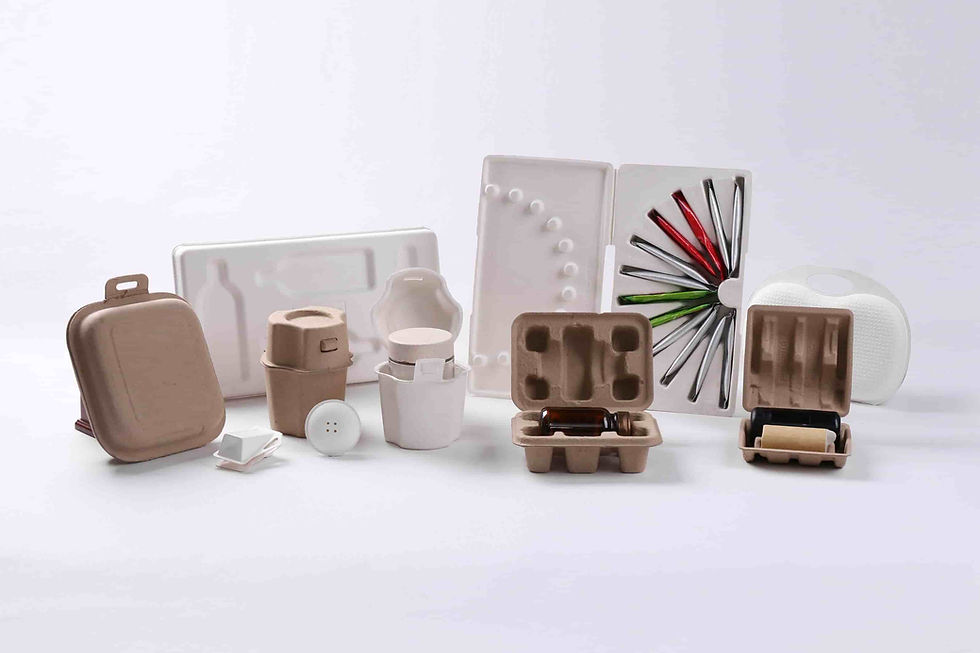
As global food packaging markets move toward more sustainable solutions, businesses are increasingly looking for materials that can reduce environmental impact while maintaining reliable performance.
For food packaging buyers, the ideal sustainable packaging solution should not only meet environmental expectations but also provide:
Consistent quality
Food safety
Practical usability
Commercial availability
Stable supply capability
Among different sustainable packaging materials, sugarcane bagasse packaging is becoming a popular alternative for food service applications.
Made from renewable sugarcane fiber, bagasse packaging provides a plant-based solution that supports the transition away from traditional petroleum-based packaging materials.
For companies looking for PPWR Compliance Packaging, sugarcane bagasse represents a practical option for applications where reducing plastic dependency and adopting renewable materials are important considerations.
What Is Sugarcane Bagasse Packaging?
Sugarcane bagasse is the fibrous material remaining after sugarcane juice extraction.
Traditionally, this agricultural by-product was often treated as waste or used as a low-value resource.
Today, advanced processing technologies allow bagasse fibers to be transformed into durable molded fiber packaging products.
These products include:
Sugarcane bagasse plates
Food containers
Clamshell boxes
Bowls
Meal trays
Disposable tableware
Through molding and forming processes, bagasse fiber can be shaped into packaging products suitable for different food service environments.
Renewable Material Source for Sustainable Packaging
One of the main advantages of sugarcane bagasse packaging is its renewable material source.
Unlike traditional plastic packaging, which depends on fossil-based resources, bagasse comes from agricultural production.
This provides several sustainability advantages:
Utilization of agricultural by-products
Reduced dependence on petroleum-based materials
Support for renewable material development
For businesses evaluating PPWR Compliance Packaging, renewable fiber materials provide an opportunity to improve packaging sustainability strategies.
How Sugarcane Bagasse Packaging Supports PPWR Sustainability Goals
The purpose of PPWR is to encourage more responsible packaging systems.
While packaging requirements may vary depending on application and market conditions, companies are increasingly focusing on solutions that support:
Waste reduction
Renewable material usage
Better resource efficiency
Sugarcane bagasse packaging aligns with these sustainability trends through several characteristics.
1. Plant-Based Alternative to Conventional Plastic Packaging
One of the biggest reasons companies consider bagasse packaging is its ability to replace certain single-use plastic applications.
Common replacement scenarios include:
Traditional plastic:
Food containers
Disposable plates
Takeaway boxes
Meal trays
Sustainable alternative:
Bagasse food containers
Bagasse clamshell packaging
Bagasse plates and bowls
Molded fiber trays
For restaurants, catering companies, and food distributors, this provides a practical pathway to reduce plastic usage.
2. Suitable for Food Service Applications
A sustainable material must still meet real operational requirements.
Food packaging buyers need products that can handle:
Hot food
Cold food
Moisture
Oils
Transportation
Sugarcane bagasse packaging is widely used in food service because it provides:
Heat Resistance
Suitable for:
Hot meals
Takeaway dishes
Catering operations
Oil Resistance
Suitable for:
Fried foods
Sauced meals
Mixed dishes
Structural Performance
Suitable for:
Food delivery
Institutional catering
Large-volume meal preparation
This combination of sustainability and functionality makes bagasse an attractive option for commercial buyers.
Sugarcane Bagasse Packaging Applications Across Food Service Industries
One reason for the growing adoption of bagasse packaging is its versatility.
Different industries can select different product formats according to their operational needs.
Restaurants and Takeaway Businesses
Restaurants require packaging that can provide:
Convenient food handling
Attractive presentation
Reliable transportation
Common bagasse applications include:
Clamshell containers
Food boxes
Bowls
Plates
These products help restaurants provide takeaway meals while reducing reliance on traditional plastic packaging.
Catering and Large-Scale Food Services
Catering companies often prepare hundreds or thousands of meals daily.
They require packaging solutions that support:
Efficient preparation
Easy transportation
Portion management
Bagasse meal trays and food containers are suitable for:
Events
Corporate catering
Institutional food services
Healthcare and Institutional Food Services
Healthcare facilities, schools, and other institutions require packaging solutions that combine:
Hygiene
Convenience
Sustainability
Applications include:
Patient meal trays
Compartment food trays
Disposable food containers
This is especially relevant for organizations searching for PPWR Compliance Packaging options that can support large-volume food service operations.
Why Bagasse Packaging Is a Practical Choice for Global Buyers
For international food packaging buyers, sustainability alone is not enough.
A successful packaging solution must also provide:
Reliable Supply Capability
Large distributors and importers need suppliers that can support:
Regular production
Stable quality
Export requirements
Product Variety
Different customers require different packaging formats.
A complete sustainable packaging supplier should offer:
Plates
Bowls
Containers
Clamshell boxes
Meal trays
This allows buyers to source multiple products from one supplier.
Customization Options
Many brands and distributors require:
Customized packaging designs
Private label solutions
Product specifications according to market needs
Sustainable packaging is increasingly becoming not only an environmental choice but also a branding opportunity.
Sugarcane Bagasse Packaging vs Traditional Plastic Packaging
Feature | Traditional Plastic Packaging | Sugarcane Bagasse Packaging |
Material Source | Fossil-based resources | Renewable sugarcane fiber |
Environmental Direction | Higher sustainability concerns | Plant-based alternative |
Food Service Use | Widely used | Suitable for many applications |
Product Options | Containers, trays, cups | Containers, trays, plates, bowls |
Sustainability Position | Increasing pressure | Growing market acceptance |
The Role of Bagasse Packaging in Future Sustainable Food Systems
As companies prepare for changing packaging expectations, sustainable materials will continue to gain importance.
Sugarcane bagasse packaging provides a practical solution because it combines:
Renewable material sourcing
Commercial production capability
Food service functionality
Multiple application possibilities
For food packaging buyers, distributors, and brands, choosing the right sustainable material is becoming a strategic decision.
By adopting PPWR Compliance Packaging solutions based on renewable fibers such as sugarcane bagasse, businesses can better prepare for future packaging trends while meeting the operational needs of modern food service industries.
Choosing the Right PPWR Compliance Packaging Supplier
For food packaging buyers, selecting the right supplier is becoming more important as sustainability requirements continue to influence purchasing decisions.
A suitable supplier is not only a company that provides products at competitive prices. A reliable supplier is not only a company that provides products at competitive prices. Buyers should also evaluate manufacturing capability, quality control, and export experience when choosing an experienced sustainable packaging supplier.
For importers, distributors, and food service companies, choosing the right supplier can directly affect product quality, customer satisfaction, and market competitiveness.
What Food Packaging Buyers Should Evaluate in a PPWR Compliance Packaging Supplier
When sourcing sustainable packaging products, buyers should evaluate several key areas before establishing cooperation.
1. Material Transparency and Product Documentation
A professional sustainable packaging supplier should provide clear information about product materials and specifications.
Important documents and information may include:
Raw material description
Product specifications
Food contact safety information
Testing reports
Certification documents
For buyers serving international markets, transparent documentation helps improve confidence throughout the supply chain.
Especially for European customers, understanding:
Where materials come from
How products are manufactured
What compliance information is available
is becoming an important part of supplier evaluation.
2. Production Capability and Supply Stability
Sustainability-focused packaging buyers are often looking for long-term partners rather than one-time suppliers.
A reliable PPWR Compliance Packaging supplier should have:
Stable production capacity
Professional manufacturing processes
Quality control procedures
Ability to support large-volume orders
For distributors and wholesalers, supply stability is especially important because product shortages can affect:
Customer relationships
Market expansion plans
Business reputation
A supplier with strong production capability can help buyers maintain consistent inventory and respond to market demand.
3. Product Range and Customization Ability
Different food service customers require different packaging formats.
A supplier with a wider product portfolio can provide more complete solutions.
For example, sustainable bagasse packaging solutions may include:
Plates
Bowls
Food containers
Clamshell boxes
Meal trays
Healthcare trays
In addition to standard products, many international buyers also require customization options, including:
Custom sizes
Product structures
Logo printing
Private label packaging
This allows distributors and brands to create differentiated products for their target markets.
4. Export Experience and International Market Support
For global buyers, working with an experienced export supplier can reduce potential risks.
A professional supplier should understand:
International shipping requirements
Export documentation
Packaging standards
Communication processes
This is especially important for European buyers who may need reliable cooperation across different regions and supply chains.
5. Quality Control and Production Management
Sustainable packaging products must maintain consistent performance.
Important quality factors include:
Product appearance
Dimensional accuracy
Strength and durability
Packaging condition
Batch consistency
For food service applications, inconsistent quality can create operational problems.
A professional supplier should have clear quality control processes from:
Raw material inspection
↓
Production monitoring
↓
Finished product inspection
↓
Final shipment checking
How Mana Eco Supports PPWR Compliance Packaging Buyers
As the demand for sustainable food packaging continues to grow, Mana Eco focuses on providing sugarcane bagasse packaging solutions for international food service markets.
Our goal is to help buyers source reliable plant-based packaging products that combine sustainability, functionality, and commercial practicality.
Sustainable Sugarcane Bagasse Packaging Solutions
Mana Eco provides a range of bagasse packaging products, including:
Bagasse Plates
Suitable for:
Restaurants
Catering services
Events
Food service operations
Bagasse Bowls
Suitable for:
Soups
Salads
Prepared meals
Takeaway applications
Bagasse Food Containers and Clamshell Boxes
Suitable for:
Takeaway food
Food delivery
Restaurant packaging
Bagasse Meal Trays
Suitable for:
Catering companies
Institutional food service
Healthcare meal programs
These products provide practical alternatives for businesses looking to reduce dependence on traditional disposable packaging materials.
OEM and Private Label Packaging Support
Many international buyers are not only looking for standard products.
They also need packaging solutions that support their own brands.
Mana Eco can support customers with:
Product customization
Packaging customization
Brand development requirements
Export cooperation
For distributors and wholesalers, this creates opportunities to build their own sustainable packaging product lines.
Supporting Different Industries With Sustainable Packaging Solutions
The demand for PPWR Compliance Packaging is growing across multiple industries.
Mana Eco packaging solutions can support:
Food Service Companies
Including:
Restaurants
Takeaway businesses
Catering suppliers
Distributors and Importers
Supporting:
Wholesale supply
Regional distribution
Sustainable product expansion
Institutional Food Services
Including:
Hospitals
Schools
Corporate catering
For these industries, sustainable packaging is becoming an important part of future procurement strategies.
Why Choosing the Right Supplier Matters for Future Packaging Trends
The transition toward sustainable packaging is not only about replacing one material with another.
It requires cooperation between:
Packaging manufacturers
Distributors
Food service companies
End users
A reliable supplier can help businesses:
Select suitable materials
Improve supply chain stability
Prepare for changing market expectations
Develop sustainable product strategies
For companies searching for PPWR Compliance Packaging, choosing an experienced and transparent supplier is an important step toward long-term success.
PPWR Compliance Packaging Applications in Food Service Industries
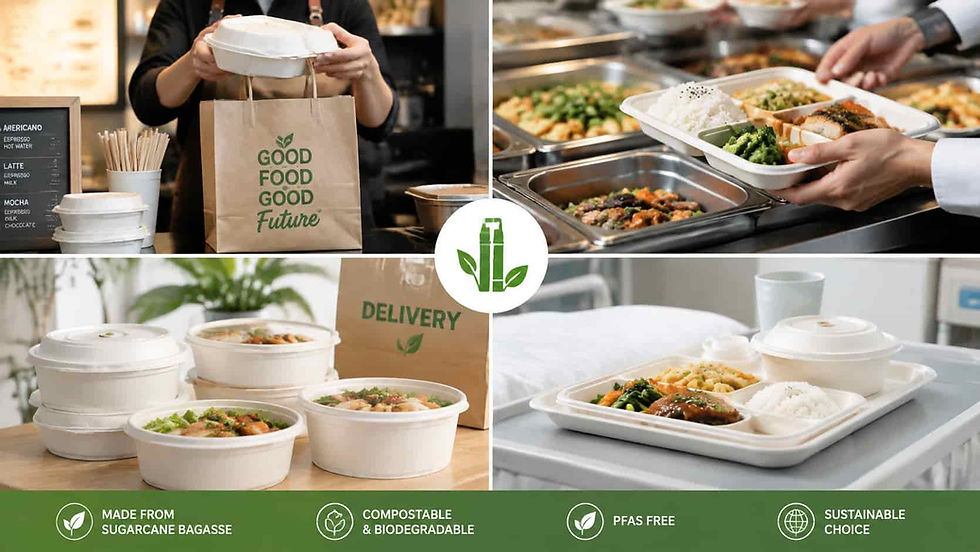
The demand for PPWR Compliance Packaging is expanding across different food service industries as businesses look for sustainable solutions that can meet both operational requirements and future environmental expectations.
Food packaging buyers are no longer only focused on selecting a container or tray that can hold food. They are also considering:
Material sustainability
Supply chain reliability
Customer expectations
Long-term environmental goals
For restaurants and takeaway businesses, bagasse food containers provide a sustainable solution for daily food packaging applications.
Sugarcane bagasse packaging provides flexible solutions for different applications, including:
Takeaway food containers
Disposable bowls and plates
Meal trays
Institutional food packaging
PPWR Compliance Packaging for Restaurants and Takeaway Businesses
Restaurants and takeaway businesses are among the largest users of disposable food packaging.
Daily operations require packaging that can provide:
Convenience
Food protection
Transportation stability
Good presentation
Traditional plastic takeaway packaging has been widely used because of its low cost and availability.
However, as sustainability requirements increase, many restaurants are exploring renewable alternatives.
Bagasse Clamshell Containers for Takeaway Food
Bagasse clamshell containers are commonly used for:
Rice meals
Burgers
Fried foods
Prepared dishes
Their advantages include:
Natural fiber appearance
Lightweight structure
Suitable food protection
Reduced dependence on traditional plastic packaging
For restaurants seeking PPWR Compliance Packaging solutions, bagasse clamshell containers provide a practical alternative for many takeaway applications.
Bagasse Bowls and Plates for Food Service
Restaurants and catering businesses also require different packaging formats for different menu types.
Bagasse bowls are suitable for:
Soups
Salads
Noodles
Mixed meals
Bagasse plates are suitable for:
Events
Buffet services
Fast food restaurants
These products allow businesses to maintain convenient food service while adopting more sustainable packaging options.
PPWR Compliance Packaging for Catering Companies and Large Food Service Operations
Large-scale catering operations have unique packaging requirements.
Compared with small restaurants, catering companies need solutions that can support:
High-volume meal preparation
Efficient transportation
Portion management
Consistent product quality
Examples include:
Corporate catering
Event catering
Airline catering
Institutional catering
Compartment Meal Trays for Organized Food Distribution
Meal trays with multiple compartments are widely used when different foods need to be separated.
Benefits include:
Better food organization
Improved presentation
Easier portion control
Applications include:
Large events
Catering services
Healthcare meal programs
School food services
For organizations managing thousands of meals, reliable tray solutions are an important part of efficient food distribution.
PPWR Compliance Packaging for Healthcare and Institutional Food Services
Healthcare and institutional food services require packaging solutions that combine:
Hygiene management
Convenience
Reliable transportation
Sustainability considerations
Hospitals, nursing facilities, and healthcare catering providers serve meals under strict operational requirements.
Packaging must support:
Central kitchen preparation
Meal transportation
Patient meal delivery
Daily food service management
Sustainable Healthcare Meal Trays
Bagasse meal trays can support healthcare food service applications by providing:
Lightweight handling
Organized meal separation
Convenient single-use management
Common applications include:
Patient meals
Hospital catering
Healthcare institutions
For healthcare buyers, sustainable packaging is increasingly becoming part of broader environmental responsibility strategies.
PPWR Compliance Packaging for Food Distributors and Importers
Food packaging distributors and importers play an important role in bringing sustainable products to regional markets.
Their customers may include:
Restaurants
Catering companies
Food service providers
Retail businesses
For distributors, choosing the right packaging supplier is essential.
They need products with:
Stable Supply
Distributors require suppliers that can support:
Regular orders
Large quantities
Long-term cooperation
Product Diversity
A complete sustainable packaging portfolio allows distributors to serve different customers.
Examples include:
Food containers
Clamshell boxes
Bowls
Plates
Meal trays
Market Differentiation
Sustainable packaging products also provide distributors with opportunities to develop:
Eco-friendly product lines
Private label solutions
Premium sustainable packaging categories
How Mana Eco Provides PPWR Compliance Packaging Solutions
As businesses continue to prepare for changing packaging expectations, Mana Eco focuses on providing sustainable sugarcane bagasse packaging solutions for global food service markets.
By combining renewable fiber materials with professional manufacturing capabilities, Mana Eco supports buyers looking for reliable alternatives to traditional disposable packaging.
Sustainable Bagasse Packaging Product Solutions
Mana Eco offers a range of sugarcane bagasse packaging products designed for different food service applications.
Bagasse Food Containers
Applications:
Takeaway meals
Food delivery
Restaurant packaging
Advantages:
Practical design
Suitable for daily food service
Renewable fiber material
Bagasse Clamshell Containers
Applications:
Fast food
Takeaway businesses
Catering services
Advantages:
Convenient one-piece design
Easy food handling
Suitable for various meal types
Bagasse Plates and Bowls
Applications:
Restaurants
Events
Catering
Advantages:
Multiple size options
Suitable for different food categories
Sustainable tableware solution
Bagasse Meal Trays
Applications:
Catering
Healthcare food services
Institutional meals
Advantages:
Organized meal distribution
Multiple compartment designs
Suitable for large-scale food service
Mana Eco Healthcare Packaging Solutions
In addition to traditional food service products, Mana Eco also provides bagasse solutions designed for healthcare-related applications.
These products include:
Bagasse Injection Tray
Designed for:
Healthcare food service
Institutional catering
Meal distribution
Key advantages:
Lightweight structure
Convenient handling
Suitable for organized food service operations
Bagasse Kidney Tray
Designed for:
Healthcare environments
Specialized food service applications
Key advantages:
Ergonomic shape
Easy handling
Practical design
4-Compartment Bagasse Tray
Designed for:
Patient meals
Institutional catering
Large-scale meal preparation
Key advantages:
Separates different food categories
Supports portion management
Improves meal organization
Bagasse Medical Tray
Designed for:
Hospital meal delivery
Healthcare catering systems
Key advantages:
Strong structure
Reliable transportation performance
Suitable for professional food service environments
Supporting Global Buyers With Sustainable Packaging Solutions
For international buyers, sustainable packaging selection requires more than choosing an environmentally friendly material.
Companies also need:
Stable supply capability
Product customization support
Quality consistency
Export experience
Mana Eco works with global customers to provide:
Sugarcane bagasse packaging solutions
OEM support
Product customization
International supply cooperation
By combining sustainable materials with practical food service applications, Mana Eco helps businesses prepare for the future of packaging under changing market expectations.
The Future of PPWR and Sustainable Food Packaging
The global food packaging industry is entering a period of significant transformation.
As sustainability expectations continue to increase, companies are moving away from traditional packaging models and exploring solutions that combine:
Environmental responsibility
Product performance
Supply chain reliability
Customer expectations
For food packaging buyers, PPWR Compliance Packaging will become an increasingly important factor when selecting materials and suppliers.
Companies that prepare early will have greater opportunities to adapt to future market changes and build stronger relationships with customers.
Increasing Demand for Renewable Packaging Materials
One of the major trends shaping the future of food packaging is the transition from fossil-based materials toward renewable resources.
Businesses are increasingly exploring:
Sugarcane bagasse packaging
Molded fiber products
Plant-based packaging materials
Compostable food containers
These materials support the broader industry movement toward reducing dependence on traditional plastic packaging.
For food service companies, renewable packaging is becoming not only an environmental choice but also a competitive advantage.
Greater Focus on Packaging Lifecycle Management
Future packaging decisions will focus more on the complete lifecycle of products.
Companies will increasingly evaluate:
Raw Material Sources
Questions buyers may consider:
Is the material renewable?
Does it reduce resource consumption?
Is the supply chain transparent?
Manufacturing Process
Buyers may pay more attention to:
Production efficiency
Quality control systems
Environmental management practices
End-of-Life Considerations
Packaging solutions will increasingly be evaluated based on:
Waste reduction
Recycling potential
Sustainable disposal options
This lifecycle approach will influence future packaging purchasing decisions.
Growing Importance of Sustainable Packaging Suppliers
As regulations and market expectations evolve, companies will increasingly rely on suppliers that can provide more than products.
A future-ready sustainable packaging supplier should offer:
Technical Support
Including:
Product specifications
Material information
Application recommendations
Consistent Manufacturing Capability
Including:
Stable production capacity
Quality management
Reliable delivery
Sustainable Product Development
Including:
New product designs
Customized solutions
Market-specific packaging options
For buyers searching for PPWR Compliance Packaging, supplier capability will become as important as the packaging material itself.
Expansion of Sustainable Packaging Applications
Sustainable packaging will continue expanding into more industries.
Future applications may include:
Food Service
Restaurants
Takeaway businesses
Food delivery
Catering
Events
Corporate catering
Institutional meals
Healthcare
Hospital meal services
Patient food distribution
Healthcare catering
Retail Food
Ready-to-eat meals
Prepared food products
This expansion creates new opportunities for companies providing renewable packaging solutions.
Sugarcane Bagasse Packaging in the Future Sustainable Packaging Market
Among available sustainable packaging options, sugarcane bagasse packaging has strong potential because it combines:
Renewable fiber source
Commercial production capability
Practical food service performance
Wide application possibilities
As businesses continue searching for alternatives to traditional plastic packaging, bagasse products such as:
Food containers
Clamshell boxes
Plates
Bowls
Meal trays
will continue gaining attention in global markets.
For food packaging buyers, choosing sustainable materials today can help create a stronger position in tomorrow’s packaging industry.
Frequently Asked Questions (FAQ)
What Is PPWR Compliance Packaging?
PPWR Compliance Packaging refers to packaging solutions designed to support the sustainability objectives of the European Union’s Packaging and Packaging Waste Regulation.
For food packaging buyers, this means selecting packaging solutions that consider:
Material sustainability
Waste reduction
Packaging efficiency
Long-term environmental impact
Does PPWR Ban All Plastic Food Packaging?
No. PPWR does not simply mean that all plastic packaging will disappear.
However, it encourages companies to:
Reduce unnecessary packaging
Improve packaging sustainability
Increase responsible material use
Businesses may need to reconsider certain plastic applications and explore more sustainable alternatives where suitable.
Is Sugarcane Bagasse Packaging Suitable for PPWR Compliance Packaging?
Sugarcane bagasse packaging is becoming an attractive option for businesses looking for renewable fiber-based packaging solutions.
Its advantages include:
Plant-based material source
Reduced dependence on fossil-based resources
Suitability for food service applications
However, buyers should always evaluate products based on their specific market requirements and available compliance documentation.
Why Are Food Packaging Buyers Interested in Bagasse Packaging?
Many buyers are interested in bagasse packaging because it provides a balance between sustainability and practical performance.
Common advantages include:
Renewable raw material
Suitable for hot and cold foods
Multiple product formats
Professional food service applications
How Can Companies Prepare for PPWR Requirements?
Companies can prepare by:
1. Reviewing Current Packaging Materials
Evaluate whether existing packaging aligns with future sustainability expectations.
2. Working With Experienced Suppliers
Choose suppliers that can provide:
Product information
Stable supply
Technical support
3. Exploring Sustainable Alternatives
Consider materials such as:
Sugarcane bagasse
Molded fiber packaging
Other renewable solutions
What Should Buyers Look for in a Sustainable Packaging Supplier?
A reliable supplier should provide:
Consistent product quality
Production capability
Documentation support
Customization options
Export experience
Choosing the right supplier helps businesses build a more stable and sustainable packaging supply chain.
Conclusion: Preparing for the Future With PPWR Compliance Packaging
The packaging industry is moving toward a more sustainable future.
For food packaging buyers, sustainability is becoming an important part of purchasing decisions alongside:
Price
Quality
Delivery
Supply stability
PPWR Compliance Packaging represents a new direction for companies seeking packaging solutions that better align with evolving environmental expectations.
Renewable fiber materials such as sugarcane bagasse provide practical alternatives for many food service applications, including:
Restaurants
Catering operations
Food delivery
Healthcare meal services
For businesses looking to develop sustainable packaging strategies, working with an experienced supplier is essential.
Mana Eco provides sugarcane bagasse packaging solutions including:
Food containers
Clamshell boxes
Plates
Bowls
Meal trays
Healthcare packaging trays
By combining renewable materials, reliable production, and customized solutions, Mana Eco helps global buyers move toward a more sustainable future for food packaging.


Comments