
Is PLA Biodegradable? The Truth About PLA and Sustainability

Introduction
PLA (Polylactic Acid) is often marketed as an eco-friendly alternative to plastic.
But many businesses and consumers are confused about one key question:
👉 Is PLA biodegradable?
Some say yes, others say no.
So what’s the truth?
In this guide, we’ll break down how PLA actually behaves in different environments, clarify common misconceptions, and help businesses make informed decisions about using PLA packaging.

What Is PLA?
PLA is a plant-based plastic made from renewable resources such as:
Corn starch
Sugarcane
It is widely used in:
Cold drink cups
Lids
Transparent food packaging
👉 Related: bagasse vs PLA
Is PLA Biodegradable?
👉 Short answer: Yes—but only under specific conditions.
PLA is considered:
Industrially compostable
Not naturally biodegradable in most environments
This means:
👉 It does not break down easily in nature like organic materials.
What Does “Biodegradable” Really Mean?
Biodegradable means a material can be broken down by microorganisms into:
Water
Carbon dioxide
Biomass
👉 However, the key factor is environment.
How PLA Breaks Down in Different Environments
1. Industrial Composting
👉 Yes, PLA can break down efficiently.
Conditions required:
High temperature (≈58°C)
Controlled humidity
Microbial activity
2. Home Composting
👉 Very slow or ineffective.
PLA does not easily degrade in typical home compost systems.
3. Landfill
👉 Does not decompose properly.
Similar to traditional plastic behavior due to lack of oxygen.
👉 Related: Can compostable packaging go to landfill

Looking for packaging that decomposes more naturally?
Explore our bagasse food containers, a more versatile compostable solution.
PLA vs Truly Biodegradable Materials
Feature | PLA | Bagasse |
Material Type | Bioplastic | Natural fiber |
Composting | Industrial only | Natural + industrial |
Decomposition Speed | Moderate | Fast |
Environmental Flexibility | Low | High |
👉 Related: how long does bagasse take to decompose
Why PLA Causes Confusion
1. Marketing Terms
“Biodegradable” is often used loosely.
2. Lack of Infrastructure
Many regions lack industrial composting facilities.
3. Similar Appearance to Plastic
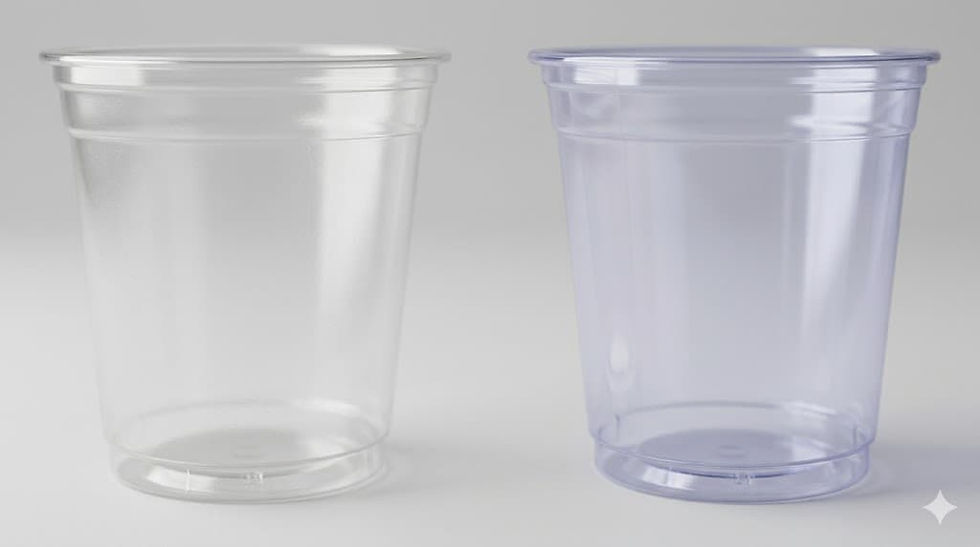
Consumers cannot easily distinguish PLA from traditional plastic.
When PLA Is a Good Choice
PLA is suitable for:
Cold drinks
Transparent packaging
Controlled waste systems
If your business requires clear packaging for cold food or beverages, PLA is a good complementary material.
👉 Combine PLA with bagasse packaging for a complete solution
When PLA Is Not Ideal
Avoid PLA when:
Composting infrastructure is unavailable
Packaging is likely to go to landfill
Heat resistance is required
Environmental Impact of PLA
PLA is still better than traditional plastic because:
Made from renewable resources
Lower carbon footprint
👉 But its impact depends on proper disposal.
👉 External reference:https://www.unep.org

Common Misconceptions
❌ “PLA is biodegradable anywhere”
👉 False.
❌ “PLA is the same as compostable fiber”
👉 Not true.
❌ “PLA solves plastic waste completely”
👉 Only if disposed properly.
Conclusion
So, is PLA biodegradable?
👉 Yes—but only under industrial composting conditions.
For businesses, this means PLA should be used strategically—not as a universal solution.
👉 The best approach is often:
✔ Use PLA for cold applications✔ Use bagasse as your core material
FAQ
1. Is PLA biodegradable in nature?
No, it requires industrial composting conditions.
2. Can PLA decompose in landfill?
Not effectively—it behaves similarly to plastic.
3. Is PLA better than plastic?
Yes, but only when properly disposed.
4. What is better than PLA?
Bagasse is often more versatile and decomposes more naturally.
5. Should businesses use PLA?
Yes, but as a complementary material rather than a core product.


Comments