
How Cups with Plastic Coating Enhance Your Catering Experience

In the catering business, your cup choice is very important. You might use a coffee truck or serve drinks at an event. Many businesses use cups with plastic coating. These cups are light like paper cups. They are also strong and resist water because of the plastic layer.
What are these cups? How do they work? Why do caterers like them? Let us see.
Introduction
Plastic-coated cups are strong, affordable, and work well. They are paper cups with a plastic layer inside. This layer stops leaks and keeps the cup strong. Caterers need cups that do not leak or fall apart. These cups are a better choice than plain paper cups.
Understanding Cups with Plastic Coating
What Are Cups with Plastic Coating?

These cups have a paper base with a thin plastic layer inside. Common plastics are PE or PLA. The coating stops liquid from soaking the paper. It also makes the cup stronger.
Different coatings include:
PE Coating: Low cost, common, good for heat
Double PE: Better for stopping leaks from hot drinks
PLA Coating: Can be composted in special facilities
Aqueous Coating: A new type using water
The mix of paper and plastic makes these cups work well and last long.
Why Use Plastic Coating on Paper Cups?
Catering businesses rely on consistency. Uncoated paper absorbs liquids, softens quickly, and collapses.
Plastic coating solves this by:
Creating a waterproof barrier
Enhancing the cup’s shape retention
Preventing leaks even with acidic drinks like lemonade
Improving heat tolerance for coffee and tea
Plastic-coated cups deliver predictable performance that busy cafés and catering lines need.
Benefits of Using Cups with Plastic Coating in Catering
1. Enhanced Durability
These cups keep their shape well. They work with hot drinks and last a long time. The PE lining makes the paper stiff. This means the cups are less likely to spill.
2. Leak Resistance

The plastic layer stops all moisture. The cups stay strong even when squeezed or filled with ice.
3. Insulation Properties
The plastic lining provides effective temperature management. It maintains structural integrity with hot beverages by preventing softening. For cold beverages, it minimizes surface condensation and maintains dryness. This dual functionality ensures reliable performance across various serving conditions.
This makes coated cups ideal for:
Coffee
Tea
Smoothies
Cold sodas
Fruit juices
4. Versatile Designs
Thanks to the smooth coated inner surface and printable outer surface, these cups can support:
Full-color branding
Heat-stable printing
Custom logos
Event graphics
Caterers often use branded cups to enhance customer experience and marketing visibility.
5. Cost-Effectiveness
Coated cups cost a little more than plain paper cups. But they work much better. This makes them cheaper for real use.
Plain cups often need two cups together or extra sleeves. This costs more money..
Are Paper Cups Coated with Plastic Safe?
Food Safety Standards
Cups sold in the US must follow FDA safety rules. This makes sure the plastic lining is safe for hot and cold drinks.
High-quality manufacturers also test cups for:
Migration levels
Heat resistance
Chemical stability
So yes, properly manufactured cups with plastic coating are safe for everyday catering.
Environmental Considerations
Here’s where things get more complex.
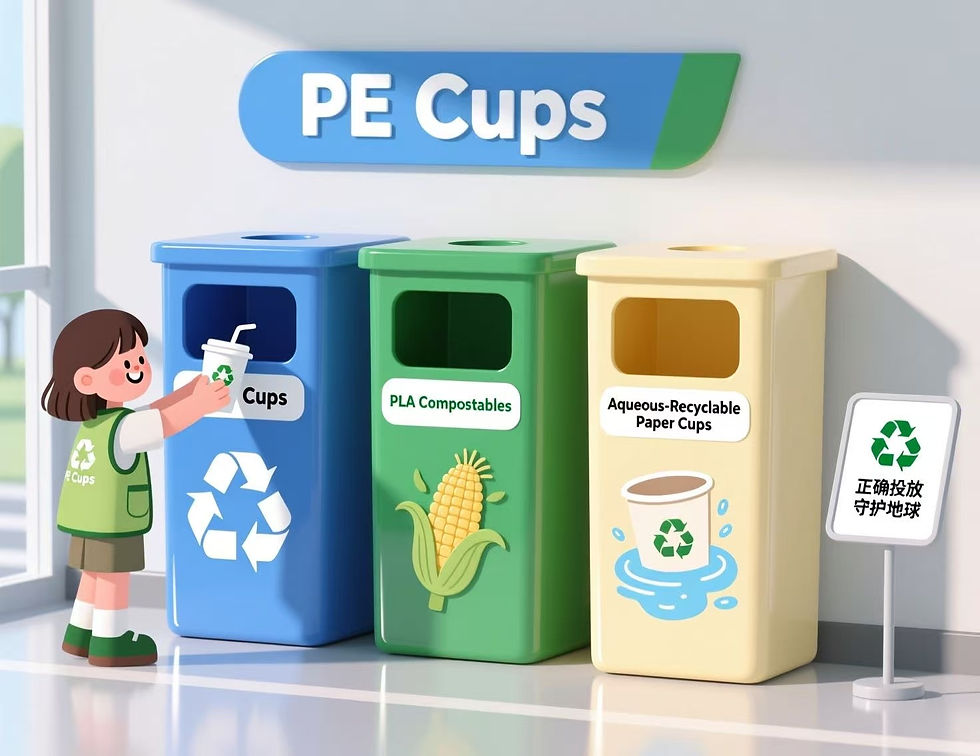
Traditional PE-coated Cups
Difficult to recycle because the paper and plastic are fused
Only accepted by specialized recycling facilities
Not compostable
PLA-coated Compostable Cups
Made from plant-based materials
Industrially compostable
Suitable for eco-conscious catering setups
Aqueous-coated Cups (New Technology)
Minimal plastic
Easier to recycle
Growing rapidly in the US market
Best Practices for Using Plastic-Coated Cups in Catering
Selection Tips
When choosing cups, consider:
Drink temperature (hot drinks perform better with double PE or PLA)
Event duration (long events need stronger coatings)
Branding needs (coated cups print especially well)
Environmental goals (choose PLA or aqueous for green positioning)
Cup sizes (8 oz for espresso, 12–16 oz for coffee, 20–24 oz for cold drinks)
Disposal and Recycling Options
With the right system, coated cups can still be managed responsibly:
✔ PE-coated
Accepted at select recycling stations that have fiber-plastic separation technology.
✔ PLA-coated
Requires industrial composting—home compost piles are not hot enough.
✔ Aqueous-coated
Most widely acceptable for paper recycling.
Conclusion
These cups work well, are safe, cost-effective, and versatile. Caterers need these features. The cups work for both cold drinks at events and hot drinks at meetings. They are strong and don't leak. This helps catering operations run smoothly.
Coating technology keeps improving. PE, PLA, and water-based coatings give caterers more options. This helps meet customer needs and environmental goals.
If you need reliable cups that can be customized, these are a good choice. They work for both hot and cold drinks. They are very important for the US catering industry.
FAQ
1. Are paper cups always coated with plastic?
Most hot and cold beverage cups are, but specialty uncoated cups exist for dry foods.
2. Is the plastic coating harmful?
Food-grade PE and PLA coatings approved under FDA standards are safe for beverage use.
3. Are plastic-coated cups recyclable?
Only at facilities equipped to separate paper fibers from the plastic layer. Aqueous-lined cups are more easily recycled.
4. Can plastic-coated cups be microwaved?
No. The heat can melt the plastic lining and weaken the cup.
5. What is the most eco-friendly coated cup?
PLA or aqueous-coated cups, especially when used with proper composting or recycling.

Mark
Director at Mana-Eco
Specializing in biodegradable tableware
WhatsApp: +86 18858902211
Email: mark@mana-eco.com


Comments