
Bagasse vs Plastic Food Packaging: Real Cost, Regulations & Why Smart Buyers Are Switching (2026 Industry Insight)

Introduction: Food Packaging
In the past, choosing between plastic and alternative packaging materials was mostly a cost-driven decision. Plastic was cheaper, widely available, and easy to manufacture at scale.
But in 2026, this decision has fundamentally changed.
Today, buyers—especially distributors, wholesalers, and food service brands—are not simply asking:
“Which is cheaper?”
They are asking:
Will this material still be compliant in 2–3 years?
Will my customers accept it?
Can it support my brand positioning?
Will it create hidden costs in logistics or regulation?
This is where bagasse food packaging (sugarcane fiber) has started to replace plastic—not only as an eco-friendly option, but as a strategic business decision.
This article is not a generic comparison. It is written from a manufacturer + exporter perspective, explaining what buyers actually experience when they switch from plastic to bagasse.

What Is Bagasse Packaging — From a Supply Chain Perspective
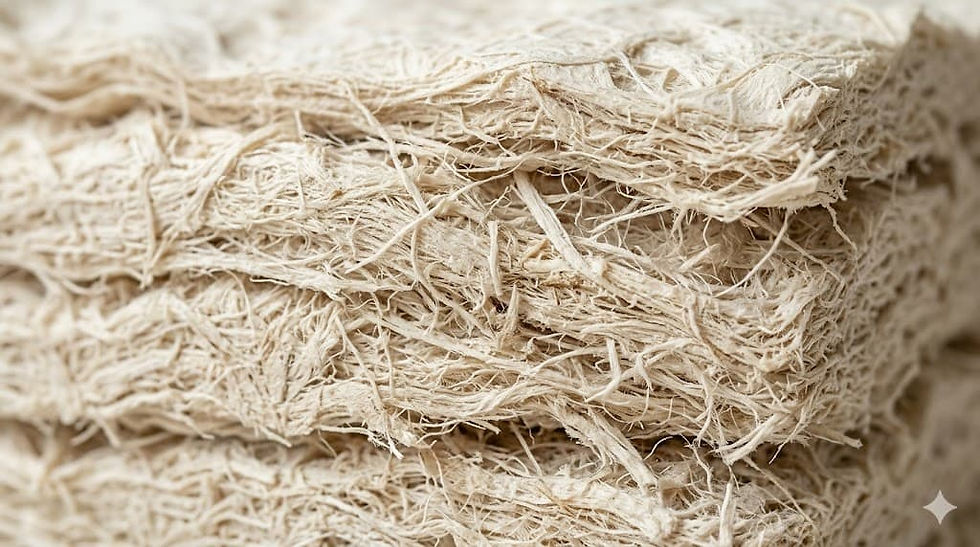
Most articles describe bagasse as “sugarcane waste turned into packaging.” That is technically correct, but incomplete.
From a supply chain perspective, bagasse is:
A byproduct of an existing agricultural industry (sugar production)
A stable raw material source in countries like China, India, Thailand
A material that is processed using molding technology instead of petrochemical synthesis
This difference matters.
Unlike plastic, which depends on oil price fluctuations, bagasse pricing is influenced more by:
Agricultural cycles
Processing efficiency
Energy costs
👉 This is why, in recent years, bagasse pricing has been more stable than plastic in volatile oil markets.
The Real Cost Comparison: What Most Articles Get Wrong
Most comparisons stop at:
Plastic = cheaperBagasse = more expensive
This is only true at the surface level.
1. Unit Price (Factory Level)
Yes, plastic is cheaper per unit. No argument here.
But this is only relevant if:
You are buying purely based on price
You are selling into markets with no environmental pressure
Which is increasingly rare.
2. Hidden Costs That Buyers Often Ignore
From real export experience, the cost difference starts to shift when you include:
A. Regulatory Risk
Plastic packaging is increasingly subject to:
Plastic bans (EU, parts of the US)
Environmental taxes
Import restrictions
👉 These are not theoretical risks—they are already happening.
A shipment rejected due to non-compliance is far more expensive than any unit price difference.
B. Brand Positioning Cost
This is something many traditional buyers underestimate.
If your end customers are:
Chain restaurants
Premium takeaway brands
Eco-conscious markets
Then packaging is not just functional—it is part of the product experience.
Bagasse packaging naturally supports:
“Eco-friendly” positioning
Premium perception
Sustainability marketing
Plastic does the opposite.
C. Logistics & Volume Efficiency
This is a less discussed but very practical factor.
Bagasse products are:
Stackable
Often designed for optimized carton loading
But more importantly:
👉 Buyers who switch to bagasse often consolidate product lines
Instead of sourcing:
Plastic containers
Separate eco products
Mixed materials
They move toward:
👉 Standardized eco packaging systems
This reduces:
Supplier management cost
Shipping complexity
Performance Comparison: Where Bagasse Actually Wins
Many people assume eco materials are weaker. This is outdated.
From a manufacturing perspective, modern bagasse products are engineered to handle:
Heat
Suitable for hot meals
Microwave-safe
Oil Resistance
Handles greasy food well
Suitable for Asian and Western cuisines
Structural Strength
Rigid enough for takeaway
Holds shape better than thin plastic containers
👉 In many takeaway applications, bagasse is not a downgrade—it’s an upgrade.

Where Plastic Still Has Advantages (Honest Analysis)
To be realistic:
Plastic still performs better in some areas:
Transparent packaging (visual display)
Extremely low-cost mass applications
Certain liquid containment scenarios
This is why many buyers do NOT fully eliminate plastic.
Instead, they shift to:
👉 Hybrid packaging strategy
Example:
Bagasse containers (main meals)
PLA lids (transparent, compostable alternative)
Paper cups (drinks)

Market Reality: Why Buyers Are Actually Switching
From real B2B observations, buyers switch to bagasse for 3 main reasons:
1. Regulatory Pressure (Main Driver)
Especially in:
Europe
North America
Australia
Plastic is no longer a “safe long-term choice.”
2. Customer Demand (Growing Fast)
End consumers are:
More environmentally aware
Willing to pay slightly more
Influenced by branding
3. Distributor Strategy Shift
This is very important and often ignored.
Distributors are no longer just selling products. They are selling:
👉 solutions
Instead of offering:
“cheap plastic containers”
They offer:
👉 “complete eco packaging systems”
This increases:
Order value
Customer retention
Market differentiation
Why Bagasse Becomes the “Core Material”
Among all eco materials:
Paper → limited by coating
PLA → limited by heat
Wood → limited by application
👉 Bagasse sits in the middle:
Strong
Compostable
Versatile
This makes it:
👉 the backbone of eco food packaging
Practical Advice: When Should You Switch to Bagasse?
You should seriously consider switching if:
You export to regulated markets
Your customers care about sustainability
You want to increase product value, not just volume
If you are evaluating cost and planning orders, you also need to understand:
👉 MOQ and how it affects pricing
➡️ Recommended reading:What Is the MOQ for Compostable Food Packaging?
If you are ready to move forward with branding:
➡️ Learn here:How to Customize Bagasse Tableware with Logo Printing
Conclusion: This Is a Strategic Shift, Not a Material Choice
The transition from plastic to bagasse is not simply about replacing one material with another.
It reflects a deeper shift:
👉 From cost-only thinking → long-term business strategy
Buyers who understand this early are already:
Building stronger brands
Entering higher-value markets
Reducing regulatory risks
FAQ
1. Is bagasse packaging really cheaper than plastic?
In most cases, plastic still has a lower unit cost. However, when considering regulations, branding, and long-term market trends, bagasse can offer better overall value.
2. Can bagasse replace plastic completely?
Not entirely. Many businesses use a combination of materials, such as bagasse containers with PLA lids or paper cups.
3. Is bagasse strong enough for hot food?
Yes. Modern bagasse products are designed to handle high temperatures and are microwave-safe.
4. What industries are switching to bagasse the fastest?
Takeaway restaurants
Catering companies
Food delivery brands
Eco-focused distributors
5. Does bagasse packaging require special certification?
For export markets, certifications such as FDA, BPI, or OK Compost are often required.
6. How does bagasse compare to paper packaging?
Bagasse is generally stronger and fully compostable without coatings, while paper often requires a plastic or PLA lining.
👉 Looking for a reliable bagasse tableware manufacturer?
We provide:
Full range of compostable packaging
Custom logo printing (OEM/ODM)
Stable supply for global distributors


Comments